For years, we were told the kitchen absolutely closes at 8 PM. But healing my own metabolic health taught me that going to bed starving actually stalls your body’s repair engine. The goal isn’t to magically burn fat while you snooze; it is to create a hormonal environment where your body can recover efficiently rather than hoarding energy due to stress.
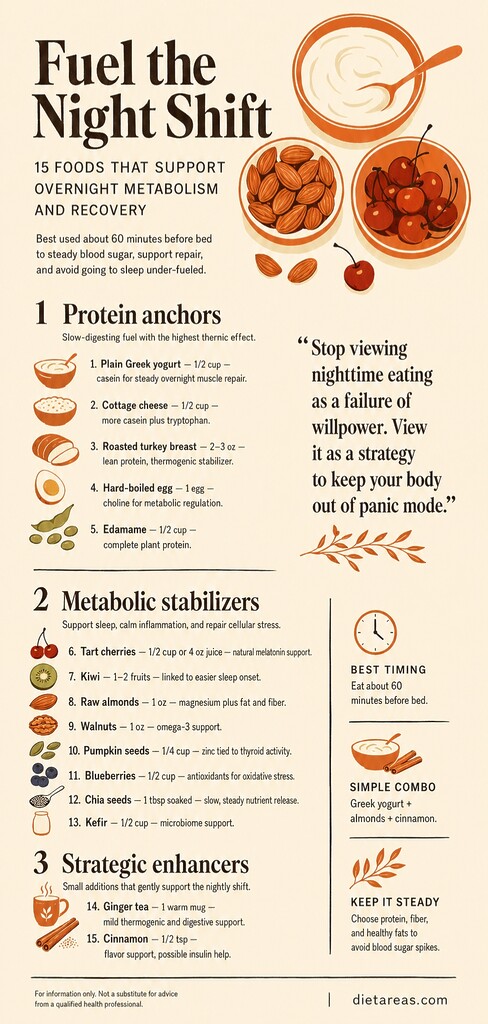
When you eat the right fuel about 60 minutes before bed, you stabilize your blood sugar and support the Thermic Effect of Food (TEF). This keeps your engine running on a low simmer all night. Here is how to fuel your body for that nightly repair cycle, categorized so you can find exactly what you need.
Protein has the highest thermic effect of any macronutrient. Your body burns more calories just digesting these foods than it does processing carbs or fats. By choosing slow-digesting proteins, you provide a drip-feed of amino acids to your muscles, which is how you actually support metabolic activity overnight.
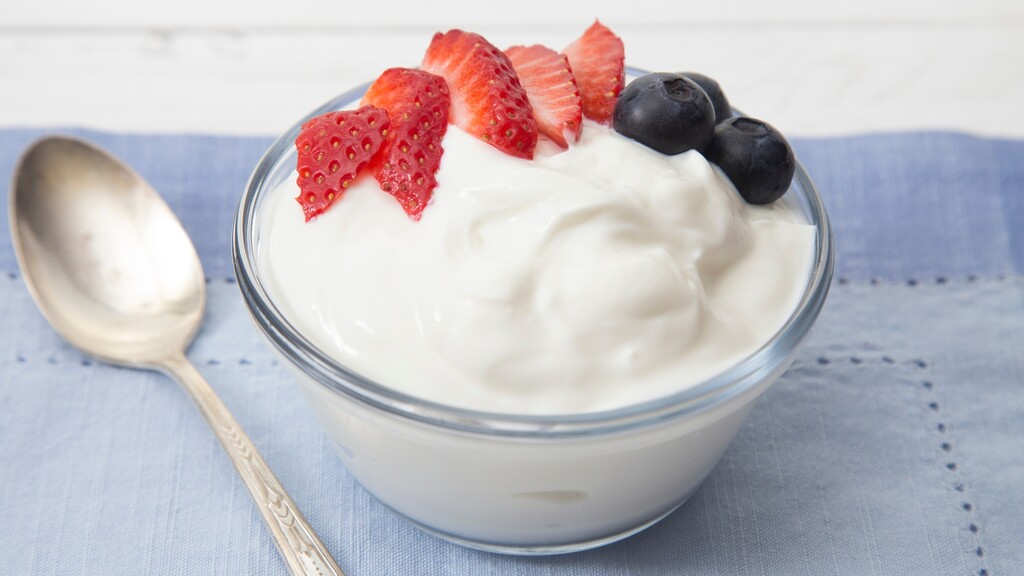
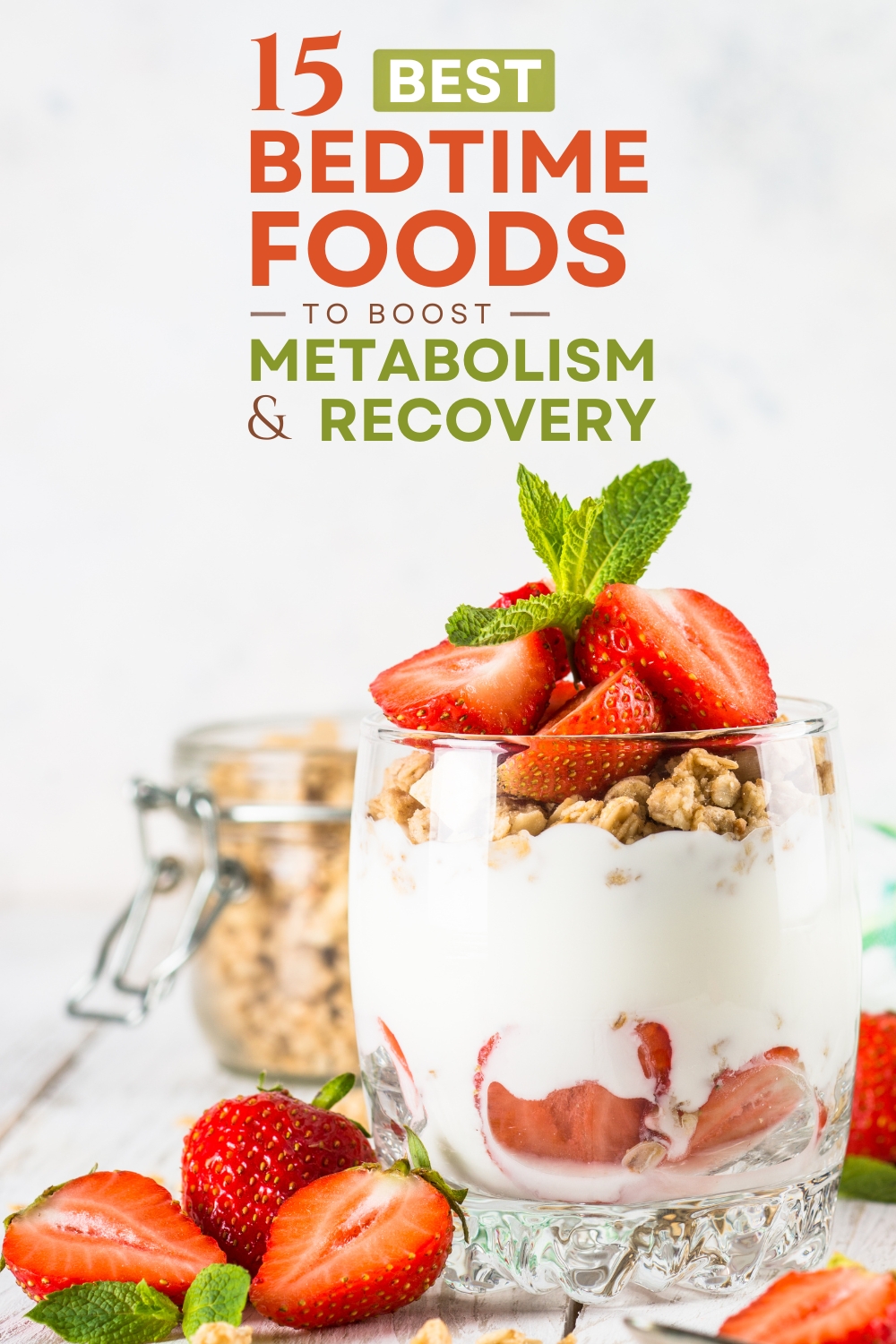
1. Plain Greek Yogurt
Portion: ½ cup.
Rich in casein, a protein that digests slowly. This feeds your muscles for hours. Stir in a drop of vanilla extract if you need flavor, but keep it plain to avoid added-sugar spikes.
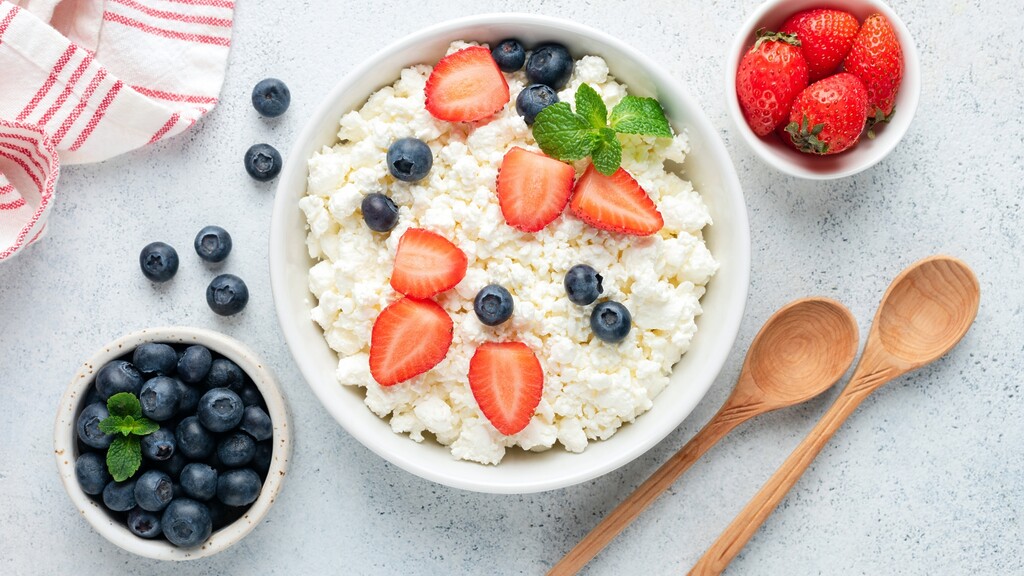
2. Cottage Cheese
Portion: ½ cup.
Another casein powerhouse. It contains tryptophan, which supports serotonin production. I like mine savory with cracked black pepper or everything bagel seasoning.
3. Roasted Turkey Breast
Portion: 2–3 ounces.
Extremely lean and high in protein. It acts as a thermogenic stabilizer. Roll a slice around a cucumber stick for a crunch without the carb load.
4. Hard-Boiled Eggs
Portion: 1 large egg.
Contains choline, a nutrient vital for metabolic regulation. Keep them pre-peeled in the fridge for a zero-effort, high-protein snack.
5. Edamame
Portion: ½ cup (steamed).
A plant-based complete protein. The act of shelling them forces you to slow down, allowing your hunger signals to register properly before you overeat.
The Metabolic Stabilizers: Sleep Support & Cellular Repair
If your system is busy fighting inflammation, dealing with oxidative stress, or struggling with poor sleep, metabolic efficiency plummets. These foods keep your blood sugar flatlined while providing the micronutrients needed to repair cellular stress overnight.
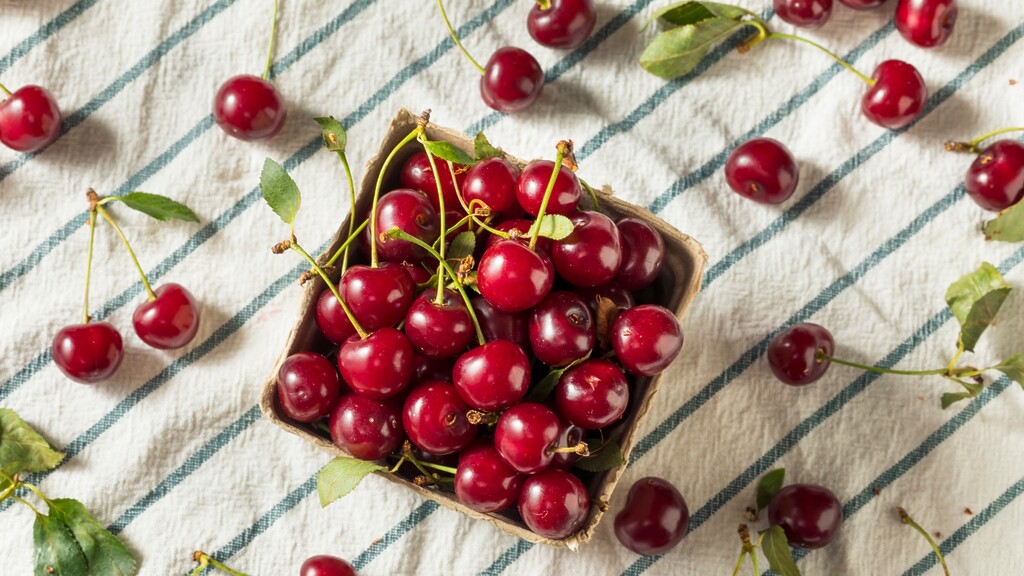
6. Tart Cherries
Portion: ½ cup fruit or 4 ounces unsweetened juice.
Research suggests eating kiwi before bed improves sleep onset, possibly because it contains serotonin and antioxidants. Peel and eat the flesh with a spoon.
8. Raw Almonds
Portion: 1 ounce (about 23 nuts).
High in magnesium, which acts as a relaxant for the nervous system. The fat and fiber combination also prevents late-night cravings.
9. Walnuts
Portion: 1 ounce (a small handful).
Contains Omega-3 fatty acids that help reduce cellular inflammation. Chronic inflammation is a major roadblock to efficient metabolism.
10. Pumpkin Seeds
Portion: ¼ cup.
Rich in zinc, a mineral tied to thyroid hormone activity, the body’s thermostat for establishing your resting metabolic rate.
11. Blueberries
Portion: ½ cup (fresh or frozen).
The high antioxidant content helps repair oxidative stress. If you crave sugar late at night, a bowl of frozen blueberries feels like a real treat.
12. Chia Seeds
Portion: 1 tablespoon (soaked in ¼ cup almond milk).
This soluble fiber expands in the gut, ensuring a slow, steady release of nutrients so you feel stable until morning. Prepare this 30 minutes before eating.
13. Kefir
Portion: ½ cup.
A fermented powerhouse. A healthy gut microbiome extracts nutrients and manages internal inflammation much more efficiently than an unbalanced one.
Strategic Enhancers: Metabolic Additions
These aren’t full snacks, but rather functional tools. Use them to signal to your brain that the feeding window is closing, or to gently support your internal processes.
14. Ginger Tea
Portion: 1 warm mug.
Ginger is mildly thermogenic in some studies, meaning it can slightly raise the energy your body uses after eating. It also soothes the digestive tract. Just ensure you are drinking pure ginger root, not a blend containing black or green tea leaves, so you avoid accidentally consuming caffeine right before bed.
15. Cinnamon
Portion: ½ teaspoon.
Sprinkle this over your yogurt or cottage cheese. It may help some people use insulin a little more efficiently, but the research is mixed, so think of it as flavor support, not a treatment.
Stop viewing nighttime eating as a failure of willpower. View it as a strategy to keep your body out of panic mode. Feed your muscles, and let the rest of your system recover.
Frequently Asked Questions
How long before bed should I eat?
Aim for 60 minutes before you hit the pillow. This is enough time for your body to begin the initial phase of digestion, preventing that heavy stomach feeling that interferes with sleep, but not so long that you get hungry again.
Can I combine these foods?
Absolutely. In fact, combining them often works best. A half-cup of Greek yogurt (protein) with a dash of cinnamon (insulin support) and a small handful of almonds (magnesium) is a perfect metabolic cocktail.
Will these spike my blood sugar?
The foods listed here are chosen specifically for their low impact on blood sugar. By focusing on protein, fiber, and healthy fats, you avoid the insulin spikes associated with naked carbs like toast or sugary cereals.
Changing your overnight metabolism isn’t about finding a miracle fat-burning pill. It is about steady, consistent hormonal support. Pick one combination from the lists above that genuinely fits your palate, and see how your body responds to being properly fueled rather than deprived.



 This post may contain affiliate links.