Hearing that your blood sugar levels are creeping up can feel overwhelming. But you can actually reverse prediabetes naturally with a handful of strategic lifestyle choices. The secret lies in changing how your meals are structured rather than just crossing your favorite foods off the menu.
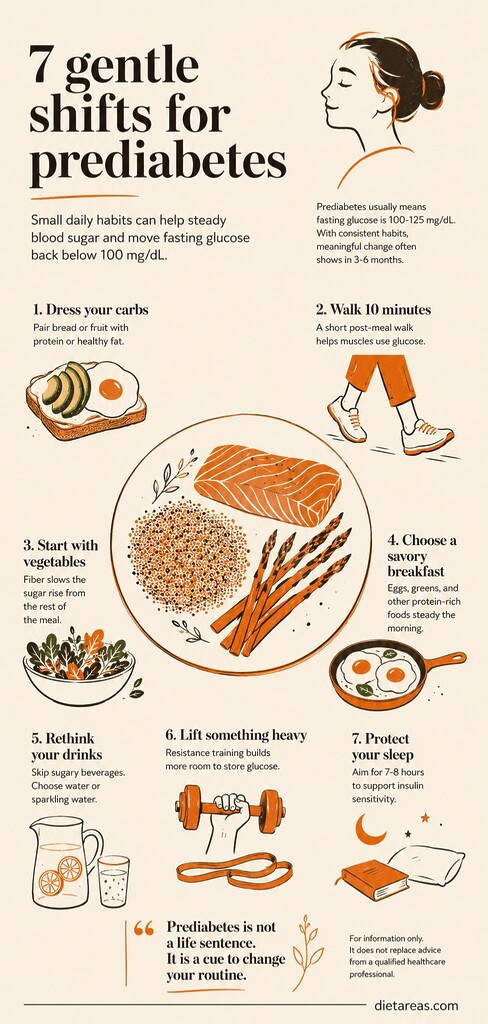
I clearly remember sitting in a clinic exam room, staring at a fasting blood sugar result of 114 mg/dL. That number put me squarely in the prediabetes range. For context, clinical guidelines generally define prediabetes as a fasting glucose between 100 and 125 mg/dL. Reversing it means getting that morning number consistently below the 100 mark.
Panic set in immediately. I assumed my days of enjoying a rich pasta dinner or a fresh bakery sourdough were over. But years of digging into clinical nutrition data and testing recipes in my own kitchen taught me something much more encouraging.
Prediabetes is not a life sentence. It is a tap on the shoulder from your metabolism asking for a change in routine.
Metabolic healing happens when you work with your body’s chemistry. It generally takes three to six months of consistent habits before new lab work reflects a true shift, but you can create meals today that are incredibly satisfying while keeping your blood sugar more stable. As an independent wellness researcher, I am sharing the evidence-based strategies that helped me transform my own lab results. While I have walked this path myself, I am sharing my personal kitchen strategies, not medical advice. Always run major routine changes past your doctor.
Here is exactly how to start shifting your numbers today.
7 Steps to Balance Your Blood Sugar
1. Never Eat Your Carbs Naked
Eating carbohydrates completely on their own causes them to break down quickly into glucose, sending a rapid spike into your bloodstream. A simple fix is to always clothe your carbohydrates with a source of protein or healthy fat.
If you want an apple for a snack, pair it with a heavy spoonful of rich, roasted almond butter. If you are having a slice of crusty sourdough bread, top it with mashed avocado, a drizzle of olive oil, and a soft-boiled egg. The fat and protein slow down gastric emptying. This means the sugars enter your system at a slow, steady trickle instead of a rush.
2. Take a 10-Minute Post-Meal Walk
You do not need to spend hours in the gym to see immediate improvements. One of the most effective natural ways to lower blood sugar is simply walking for ten solid minutes shortly after you finish eating.
When you walk, your leg muscles require immediate energy. They pull glucose directly out of your bloodstream to fuel the movement, which takes the spike out of your meal. Make it a habit to lace up your shoes right after dinner. A casual stroll around your neighborhood is enough to activate this process.
3. Front-Load Your Meals with Fiber
The order in which you eat your food matters just as much as what is on the plate. Eating vegetables before you move to the starches can significantly impact your blood sugar response.
Vegetables are rich in dietary fiber. When consumed first, this fiber acts as a physical net in your digestive tract, slowing the absorption of the sugars that follow. Start your dinner with a crisp, bright salad tossed in a sharp vinaigrette. Once you finish the vegetables, move on to the protein-paired carbohydrates from step one. You do not have to separate every single ingredient on the plate; just think of the vegetables as an appetizer course.
4. Shift to a Savory Breakfast
A sugary breakfast sets you up for a blood sugar rollercoaster that lasts all day. Sweet pastries, flavored yogurts, and maple-drenched pancakes cause an immediate morning spike, followed by a mid-morning crash that leaves you exhausted and craving more sugar.
A savory breakfast sets the tone for your blood sugar for the entire day. Focus on eggs sizzling in a hot pan, savory breakfast sausages, sautéed spinach, and sharp cheddar cheese. If you love oatmeal, try preparing it with a pinch of salt, a drizzle of olive oil, and a fried egg on top instead of honey and brown sugar.
5. Rethink Your Hydration
Drinking your sugar is the fastest way to overwhelm your metabolism. Because there is no fiber to slow it down, liquid sugar can raise blood sugar quickly. Sodas, sweetened iced teas, and even large glasses of fruit juice are major culprits in a prediabetes diet and exercise plan.
You do not have to settle for plain water if you crave flavor. Pitchers of ice water infused with fresh mint leaves, sliced cucumbers, and bright lemon wedges offer a refreshing bite. Sparkling water with a splash of tart cherry juice provides carbonation and flavor without the heavy sugar load.
6. Lift Something Heavy
Cardio is excellent for your heart, but resistance training is the secret weapon for blood sugar management. Your muscles are your body’s primary storage tanks for glucose.
When you engage in resistance training, you build muscle mass, which literally creates more storage space for the sugar in your blood. You do not need to become a bodybuilder. Lifting moderate weights, using resistance bands, or doing bodyweight exercises like squats and lunges twice a week can help make your cells more sensitive to insulin over time.
7. Protect Your Sleep Routine
It is easy to focus entirely on food and forget that rest plays a massive role in metabolic health. Poor sleep increases cortisol, a stress hormone that signals your liver to release extra glucose into your blood. Chronic sleep deprivation can disrupt your insulin sensitivity.
Keep your bedroom cool, dark, and quiet. Turn off overhead lights an hour before bed and read a physical book instead of scrolling on a bright phone screen. A solid seven to eight hours of sleep equips your body to handle the next day’s meals much more efficiently.
Reversing prediabetes does not mean abandoning the joy of cooking or eating out with friends. It means learning how to build meals that support your body rather than stress it. Pick just one of these steps to focus on tomorrow, like walking for ten minutes after lunch or adding a handful of greens before dinner. Stick with it, and schedule a follow-up lab test with your doctor in three to six months to recheck those fasting numbers. You might be surprised by what your body can do.








 This post may contain affiliate links.