Finding the right foods to build muscle and burn fat usually ends with a miserable menu of dry chicken breasts and steamed broccoli. You are handed a rigid list and told to just push through the blandness. But eating for a stronger, leaner body should not feel like a punishment. If your daily meals lack flavor, you will eventually stop eating them.
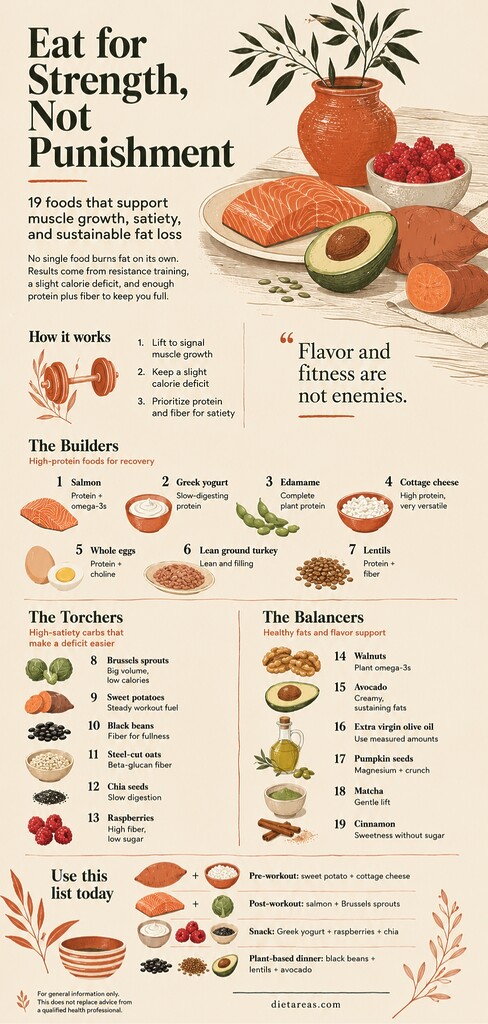
No single food magically melts tissue off your body. Changing your body composition requires three non-negotiable factors. You need a stimulus like resistance training to signal muscle growth. You need a slight caloric deficit to lose body fat. And you need sufficient protein and fiber to make the entire process work.
When I was first diagnosed with PCOS, traditional diet advice failed me because it ignored how hunger and hormones actually function. I spent years analyzing clinical nutrition data to find a sustainable way to eat. The secret was learning to manage my blood sugar and prioritize profound satiety. A caloric deficit is physically miserable if you eat the wrong things. The foods on this list are the “best” because they deliver maximum amino acids, stabilize your energy, and keep you remarkably full per calorie consumed. They make the math of fat loss physically comfortable.
The Builders: High Protein Foods for Muscle Recovery
Protein provides the raw materials your tissue needs to repair itself after a heavy workout. It also has a high thermic effect, meaning your body burns more calories breaking it down compared to fats or carbohydrates. Aim for a generous portion of one of these at every major meal.
1. Wild-Caught Salmon
A crispy, pan-seared filet offers about 22 grams of high-quality protein per four-ounce serving. Research also suggests the omega-3 fatty acids found in salmon may help reduce markers of muscle damage and support recovery. Rub a filet with smoked paprika and garlic powder, then roast it at 400°F for roughly 12 minutes until you get a flaky, buttery crust.
2. Greek Yogurt (Whole or 2%)
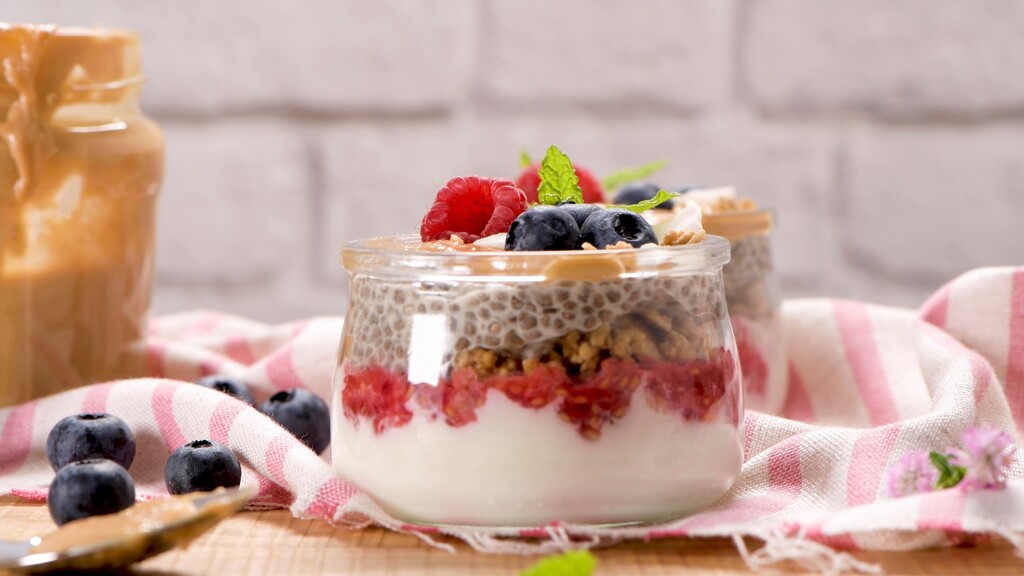
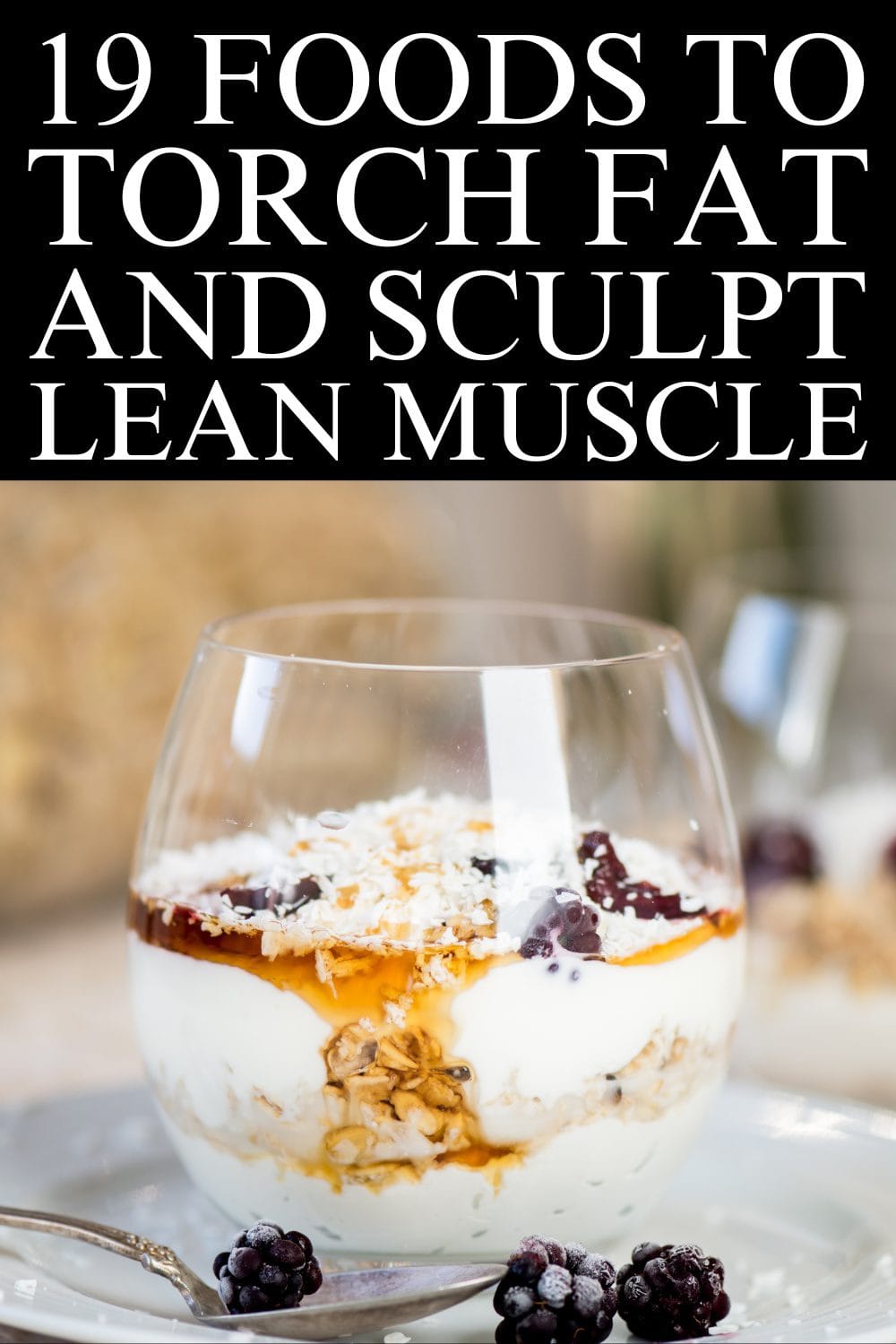
A standard three-quarter cup serving packs about 15 grams of protein. Many find that the casein protein in authentic Greek yogurt digests slowly, providing a steady stream of nutrients to recovering muscles. It is naturally thick and serves as the perfect blank canvas. Swirl in a spoonful of almond butter and fresh raspberries for a bowl that tastes exactly like dessert.
3. Edamame
These little green pods are a plant-based powerhouse, packing roughly 17 grams of complete protein and 8 grams of fiber per cup. Toss warm edamame with a drizzle of toasted sesame oil and a heavy pinch of flaky sea salt for a highly satisfying, salty snack that takes exactly three minutes to prep.
4. Cottage Cheese
Full-fat cottage cheese is having a culinary revival because it delivers up to 14 grams of protein per half-cup. If you dislike the curd texture, simply blend it until smooth. Use that rich, creamy base to make high-protein pancakes or a savory dip for crisp raw vegetables.
5. Whole Eggs
At roughly 6 grams of protein per large egg, they are incredibly efficient. The yolk holds essential nutrients like choline and vitamin D, which support healthy hormone production and muscle function. Fry two eggs in a sliver of butter until the edges get lacy and crisp, leaving the center perfectly runny to coat your breakfast plate.
6. Lean Ground Turkey
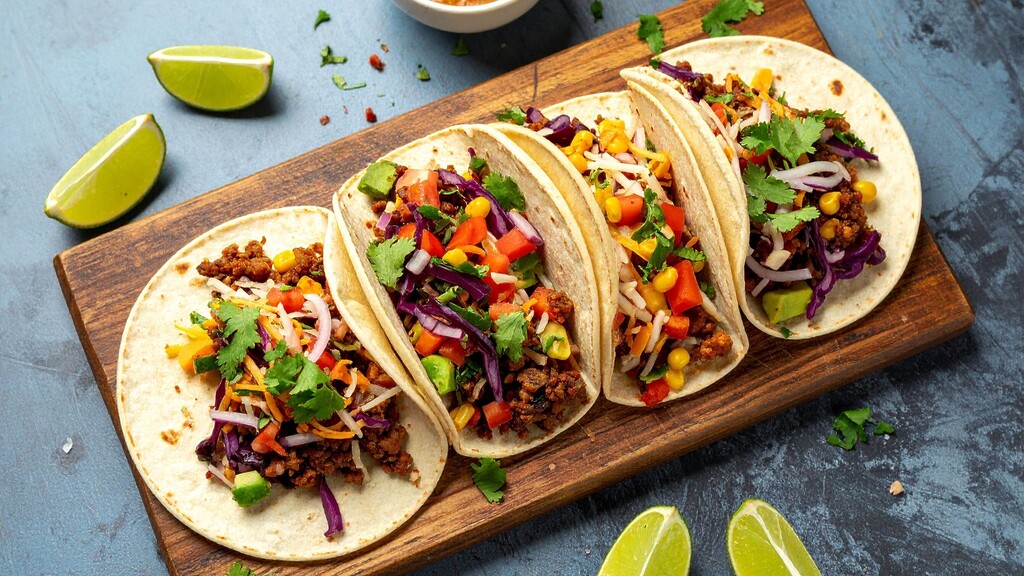
Ground turkey is incredibly lean, offering over 20 grams of protein per four-ounce serving, but it dries out quickly if you treat it exactly like beef. The trick is to lean into bold moisture. Simmer it slowly with cumin, chili powder, and fire-roasted tomatoes to create deeply flavorful taco meat.
7. Lentils
Lentils provide a brilliant dual-action effect, offering about 9 grams of plant protein and 8 grams of fiber per half-cup. Instead of boiling them in plain water, simmer them slowly in rich chicken or vegetable bone broth with smashed garlic. Finish with a heavy splash of red wine vinegar to wake up the earthy flavors and make them genuinely delicious.
The Torchers: High-Satiety Carbs for Fat Loss
To lose fat, you have to maintain a caloric deficit. The foods in this section are your best defense against the hunger that usually ruins diets. They provide the slow-digesting complex carbohydrates necessary to fuel heavy lifting sessions, paired with dense fiber that keeps you full for hours.
8. Brussels Sprouts
Cruciferous vegetables require serious digestive work and provide immense volume for very few calories (about 40 calories per cup). Halve them, toss them in a tablespoon of olive oil, and roast at 425°F until the outer leaves turn almost black and shatter like potato chips when you bite into them.
9. Sweet Potatoes
You need carbohydrates to replenish glycogen stores after strength training. Sweet potatoes offer a steady release of energy without dramatic blood sugar spikes. Bake a medium sweet potato until it is completely fork-tender, slice it open, and sprinkle heavily with cinnamon and a tiny pinch of sea salt.
10. Black Beans
At roughly 7 grams of fiber per half-cup, black beans absorb moisture and promote lasting satiety, making them an incredible tool for appetite control. Do not just eat them plain from the can. Rinse them well, then simmer them in a saucepan with toasted cumin, minced garlic, and fresh lime juice for a deeply savory side dish.
11. Steel-Cut Oats
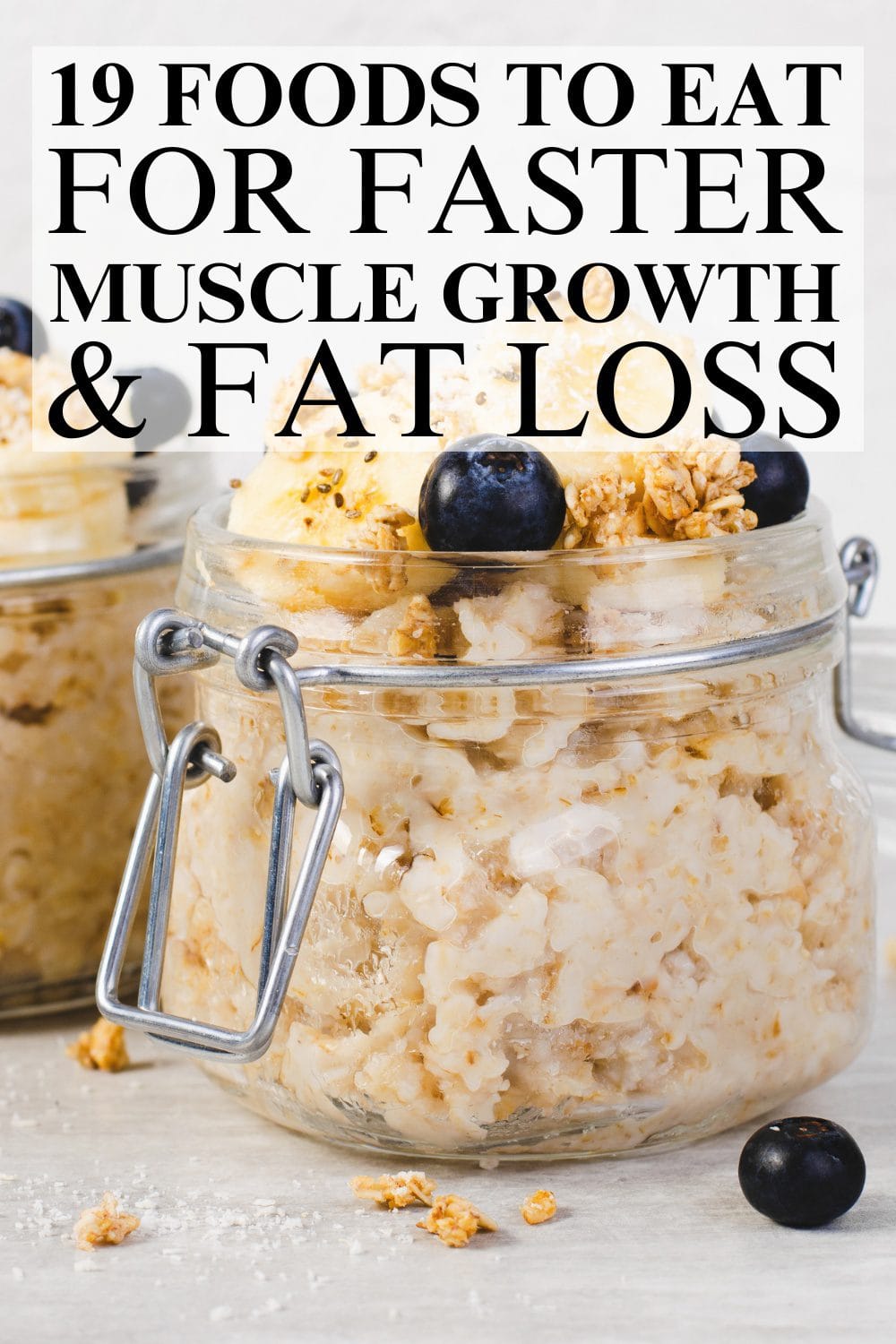
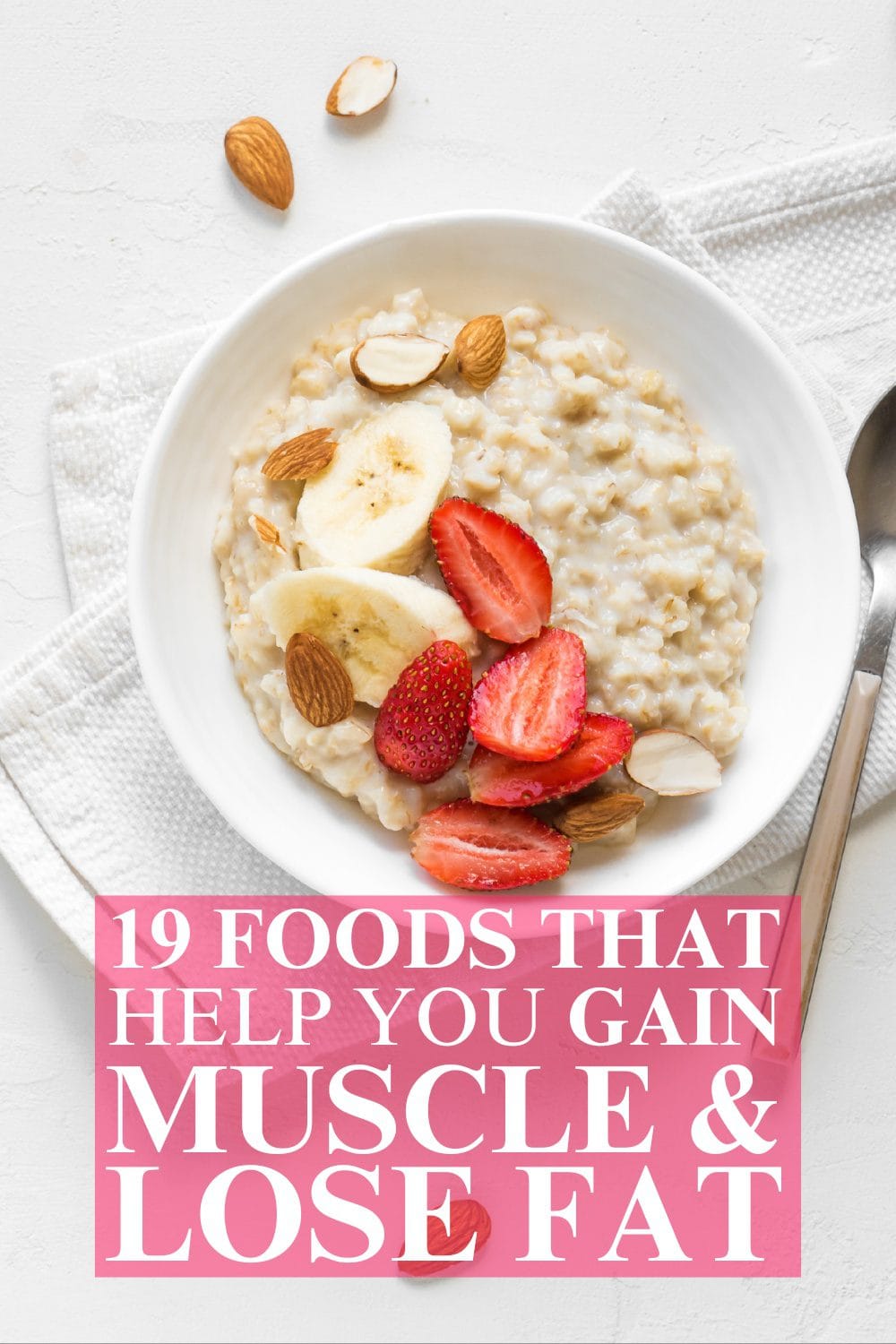
Rich in a specific fiber called beta-glucan, oats provide about 5 grams of protein and 4 grams of fiber per cooked half-cup. To make them taste incredible, toast the dry oats in a pan with a tiny sliver of butter for two minutes before adding water. This creates a rich, nutty depth that instant packets cannot touch.
12. Chia Seeds
These tiny seeds absorb surrounding liquid, creating a thick texture that slows digestion and keeps your energy remarkably stable. Two tablespoons provide about 10 grams of fiber. Whisk them into a cup of coconut milk with a drop of vanilla extract, and let it sit overnight for a rich, pudding-like breakfast.
13. Raspberries
Among all fruits, raspberries offer one of the highest fiber-to-sugar ratios available. You get eight grams of dietary fiber per cup with minimal calories (about 65). Keep a bag in your freezer. Frozen raspberries hold their shape beautifully and act like tiny, tart ice cubes when stirred into a warm bowl of yogurt.
The Balancers: Metabolic Support and Flavor
You cannot survive a muscle-building, fat-loss phase on protein and vegetables alone. High-quality fats are calorically dense, so portion control is vital here. But in the right amounts, they support hormone health, lubricate joints, and make your lean meals taste satisfying enough to stick with long-term.
The secret to changing your body composition is realizing that flavor and fitness are not enemies.
14. Walnuts
Walnuts deliver a dose of alpha-linolenic acid (ALA), a plant-based omega-3 fat that supports brain health. Because they are calorie-dense, stick to a small handful (roughly one ounce). Toasting them in a dry skillet for three minutes transforms their slightly bitter raw edge into a deep, buttery crunch perfect for salads.
15. Avocado
The monounsaturated fats in avocados are brilliant for sustained energy. A quarter or half of an avocado gives your meals a luxurious, creamy texture. Mash a quarter avocado with lime juice and spread it thick on a piece of toasted sourdough, topped with heavy red pepper flakes.
16. Extra Virgin Olive Oil
Cooking with olive oil provides oleic acid, which research links to improved metabolic health. It contains about 120 calories per tablespoon, so measure it rather than pouring blindly. Drizzle a measured spoon of high-quality, peppery olive oil raw over roasted vegetables just before serving to dramatically elevate the meal.
17. Pumpkin Seeds (Pepitas)
These flat green seeds are an unsung hero for active bodies, loaded with magnesium to help your muscles relax after a workout. A two-tablespoon serving adds great crunch without breaking your calorie bank. Toss raw pepitas in smoked paprika and bake them for ten minutes until they puff up and crackle.
18. Green Tea (Matcha)
Matcha contains EGCG, an antioxidant some studies indicate can gently support fat oxidation alongside exercise. Whisk ceremonial grade matcha powder into hot water and pour it over ice with a splash of milk. Many find it provides a smooth, sustained afternoon lift without the edge they get from heavy coffee.
19. Cinnamon
While technically a spice, cinnamon is a phenomenal tool during a fat loss phase. It adds a perception of deep sweetness to foods without a single calorie or gram of sugar, and research suggests cinnamon supplementation may modestly support blood sugar regulation in people with type 2 diabetes or PCOS. Shake it generously into your coffee grounds before brewing for a warm, aromatic cup.
How to Use This List Today
You do not need to buy all 19 items at once. To make this actionable immediately, build your plates around specific goals:
For pre-workout energy: Pair a baked sweet potato with a scoop of cottage cheese.
For post-workout recovery: Have a serving of wild-caught salmon with a side of charred Brussels sprouts.
For a high-satiety afternoon snack: Mix a half-cup of Greek yogurt with frozen raspberries and a sprinkle of chia seeds.
For a fast, plant-based dinner: Simmer black beans and lentils together in broth, topped with a quarter of a sliced avocado.
Frequently Asked Questions
Can I really build muscle while in a calorie deficit?
Yes, especially if you are relatively new to strength training, returning after a break, or have adequate body fat reserves. The key is keeping your protein intake very high (using the foods in the Builders category) to protect and build tissue while your body relies on fat stores for energy.
Are the healthy fats going to ruin my fat loss?
Only if you ignore the portion sizes. Olive oil, walnuts, and avocados are incredibly healthy, but they are dense in calories. Measuring your oil by the tablespoon and your nuts by the ounce allows you to get the hormonal and satiety benefits without accidentally erasing your caloric deficit.
I hate cooking fish. What else can I do for omega-3s?
If the smell of cooking salmon is an absolute dealbreaker for you, lean heavily on the plant-based options. A daily serving of walnuts and chia seeds will provide an excellent dose of alpha-linolenic acid without you ever having to touch a frying pan.
Building a body you feel strong in comes down to smart math and good seasoning. Pick the high-protein and high-fiber ingredients that actually sound appetizing to you, watch your fat portions, and enjoy the process of feeding yourself well.


 This post may contain affiliate links.