For years I tried to starve my way to health. I assumed losing weight meant white-knuckling through tiny portions and endless treadmill sessions, only to end up exhausted and exactly where I started. Losing 90 pounds didn’t happen through willpower. It happened when I stopped treating my body like an enemy and started building a lifestyle I actually wanted to keep.
The loudest lie in the wellness space is that lifestyle changes for weight loss require a miserable, exhausting overhaul. You do not need to flip your life upside down to see results. You just need to stack small changes that reduce your daily friction. When a healthier choice becomes automatic, it stops requiring discipline. You stop fighting yourself and start coasting.
When standard diet advice left me hungry and frustrated, I began reading through actual nutritional research and metabolic studies to understand how our bodies process food. The science is fascinating, but it means nothing if the food tastes terrible or the routine is impossible to maintain. These are the specific habits to lose weight that helped me bridge the gap between medical guidelines and real life in my own kitchen.
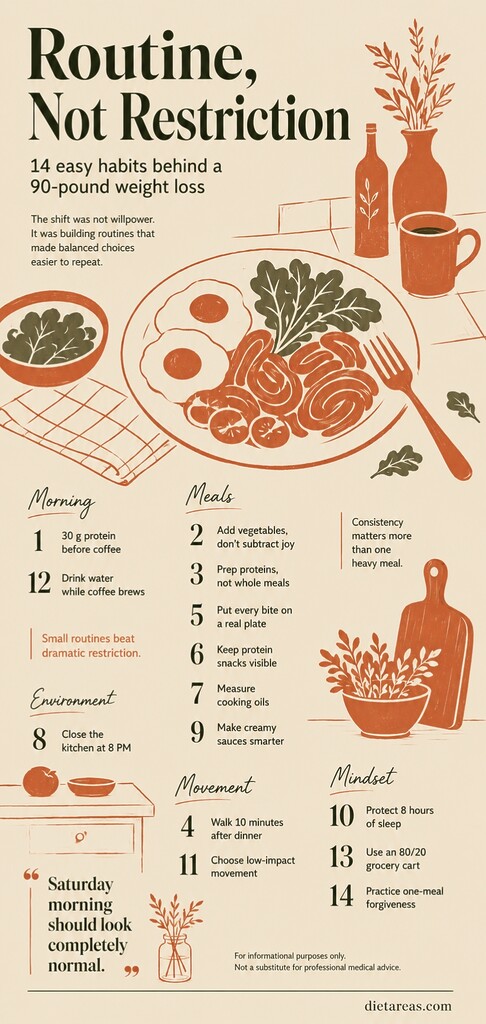
The 14 Daily Weight Loss Habits That Work
1. Eating Protein-Heavy, Savory Breakfasts
Starting the day with a massive blood sugar spike from pastries or sweetened oats sets you up for a crash by noon. I switched entirely to savory breakfasts. A plate of three scrambled eggs (about 18 grams), two links of chicken breakfast sausage (10 grams), and a heavy sprinkle of feta cheese easily gets you to that target. Aim for 30 grams of protein before your coffee to support that stability and tame mid-morning cravings.
2. The “Add, Don’t Subtract” Plate Method
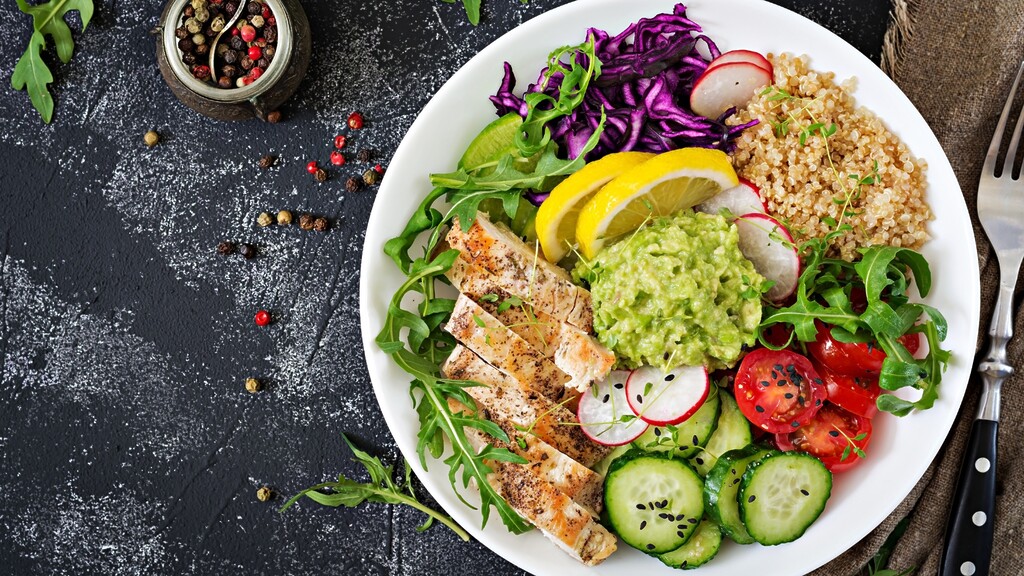
Diet culture tells you to remove the bread, skip the cheese, and banish the pasta. I learned to do the opposite. If I want a bowl of pasta, I make it, but I stir in two cups of roasted zucchini and spinach. You increase the physical volume of the meal and the fiber content without sacrificing the joy of eating.
3. Batch-Prepping Proteins, Not Whole Meals
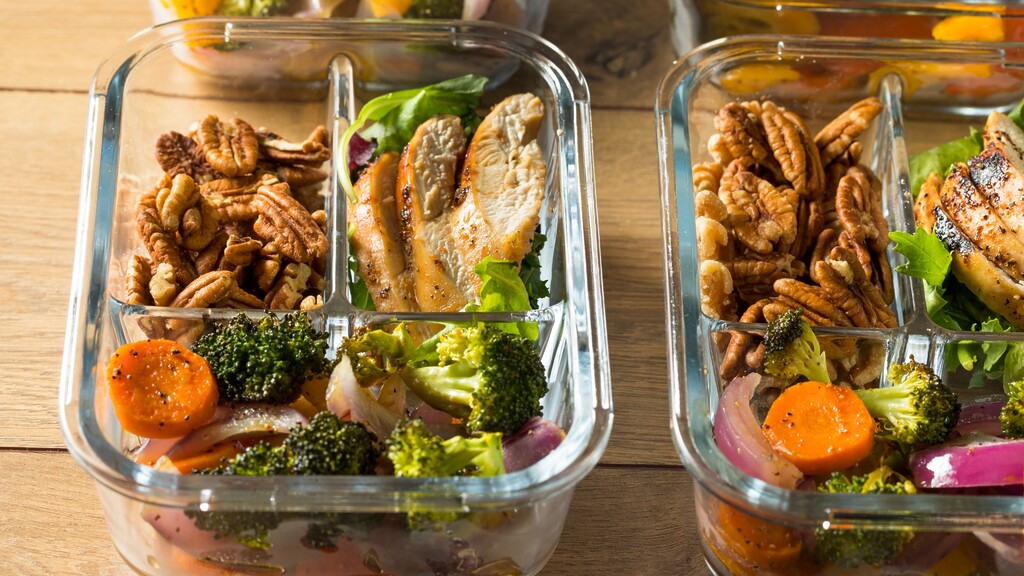
I love food too much to eat the exact same meal prep on Thursday that I made on Sunday. Instead of boxing up identical lunches, I cook three pounds of chicken thighs or ground turkey at once. Having a protein ready in the fridge means I can throw together a fresh taco bowl or a massive salad in five minutes.
4. The 10-Minute Post-Meal Walk
You do not need an hour on a treadmill to see metabolic benefits. Walking for just ten minutes right after dinner helps your muscles pull glucose out of your bloodstream, a mechanism I relied on heavily to support my own blood sugar control. Make it a non-negotiable end to your evening meal. It aids digestion and creates a physical buffer between eating and sitting on the couch.
5. Plating Everything Properly
Eating directly out of a bag or standing over the sink guarantees you will consume more than you need without actually tasting it. I instituted a strict household rule: every piece of food goes on a real plate. Taking the extra ten seconds to plate a handful of crackers forces mindfulness. You eat with your eyes first, and seeing the portion helps your brain register satisfaction.
6. Automating High-Protein Snacks
When the 3 PM slump hits, you will grab whatever requires the least effort. If the easiest thing is a bag of chips, you will eat chips. I started keeping string cheese, Greek yogurt, and pre-portioned almonds at eye level in the fridge. Keep your high-protein snacks visible and instantly accessible so the lazy choice is also the best choice.
7. Measuring Cooking Oils
Olive oil is a fantastic, heart-healthy fat, but a heavy pour from the bottle can add hundreds of calories to a pan of vegetables fast. I bought an oil mister. Using a spray bottle or a measuring spoon for cooking fats preserves all the rich flavor and crisp texture of roasting without accidentally drowning your dinner.
8. Closing the Kitchen at 8 PM
Late-night snacking is rarely about physical hunger. It is usually about seeking comfort or unwinding from stress. I set a hard boundary and brew a cup of hot peppermint tea when the kitchen closes. The ritual of the tea signals to my brain that the eating day is over, creating a clean break before bedtime.
9. Swapping Sauces Intelligently
A great sauce makes a meal, but traditional creamy dressings can be heavy. I started blending cottage cheese into my marinara and using Greek yogurt instead of sour cream. You keep the luxurious, creamy texture of the food you love while sneaking in an extra 15 grams of protein.
10. Prioritizing Sleep Over Early Workouts
When you run on four hours of sleep, your body can ramp up its production of ghrelin, the hormone that signals hunger, while making balanced choices feel harder. I stopped forcing myself out of bed at 5 AM for a workout if I was exhausted. Protect your eight hours of rest above all else. A well-rested brain can easily choose a balanced breakfast; a sleep-deprived brain will demand a bagel the second you wake up.
11. Finding Low-Impact Movement You Love
I used to think the only way to lose weight was punishing, high-intensity bootcamps. But as someone managing PCOS, I found those intense sessions left me ravenous and depleted, so I had a harder time staying consistent. I shifted to steady-state walking and low-impact mat routines. Focus on sustainable physical activity that leaves you energized rather than completely depleted.
12. Hydration Stacking
We all know we need to drink more water, but remembering to do it is the actual hurdle. I rely on habit stacking. I drink 16 ounces of water during the five minutes my morning coffee brews. By attaching the new habit to an automatic existing routine, I secure my hydration before the day even begins.
13. The 80/20 Grocery Cart
Perfection is the enemy of consistency. If you ban all treats from your house, you will eventually drive to the store at midnight to buy them. My grocery cart is 80 percent whole, single-ingredient foods, and 20 percent things I buy simply because they taste incredible. Leaving room for joy prevents the scarcity mindset that leads to binging.
14. The One-Meal Forgiveness Rule
This is perhaps the most vital habit on the list. If I go out on a Friday night and eat an incredible, heavy meal with dessert and drinks, I do not skip breakfast on Saturday to “make up for it.” I wake up and eat my normal eggs and feta.
The scale does not care what you did on Friday night as long as Saturday morning looks completely normal.
Refuse to punish yourself for eating. The body responds to your overall consistency, not an isolated evening of enjoyment.
Common Questions About Weight Loss Habits
How long did it take to figure out how to lose 90 pounds?
It took roughly two years to drop the weight, but the education took much longer. Fast weight loss is more likely to be temporary weight loss. Losing one pound a week sounds agonizingly slow until a year passes and you are down 50 pounds without feeling miserable.
What should I do when a habit stops working and my weight stalls?
Plateaus are a totally normal biological response. Your body gets smaller, so it requires less energy to run. When the scale stalled for me, I didn’t panic or slash my food intake. I usually just tweaked a variable: increasing my daily steps slightly, checking to see if my portion sizes had slowly crept up, or making sure I was actually getting enough sleep. Assess your routine objectively before you change it.
Losing the weight taught me how to read nutritional research, but the biggest lesson was entirely practical. The real secret is finding a way to eat and live that you actually enjoy enough to keep doing forever.





 This post may contain affiliate links.