Visceral fat is deeply tied to our daily stress levels and metabolic health. When you start searching for foods that burn belly fat, you are really looking for specific nutrients that lower cellular inflammation and change the chemical signals your body receives. The good news is that shifting your body composition does not require flavorless meals or punishing hours in the gym.
When my own A1C levels crept into the prediabetic range a few years ago, the standard advice to simply eat less left me completely exhausted. I spent years analyzing clinical data to understand the hormonal drivers of weight gain. You cannot punish your body into a state of balance. Healing requires strategic nourishment. As a quick note before we begin, I am an independent researcher sharing the lifestyle shifts that worked for me, so please consult your doctor before overhauling your routine.
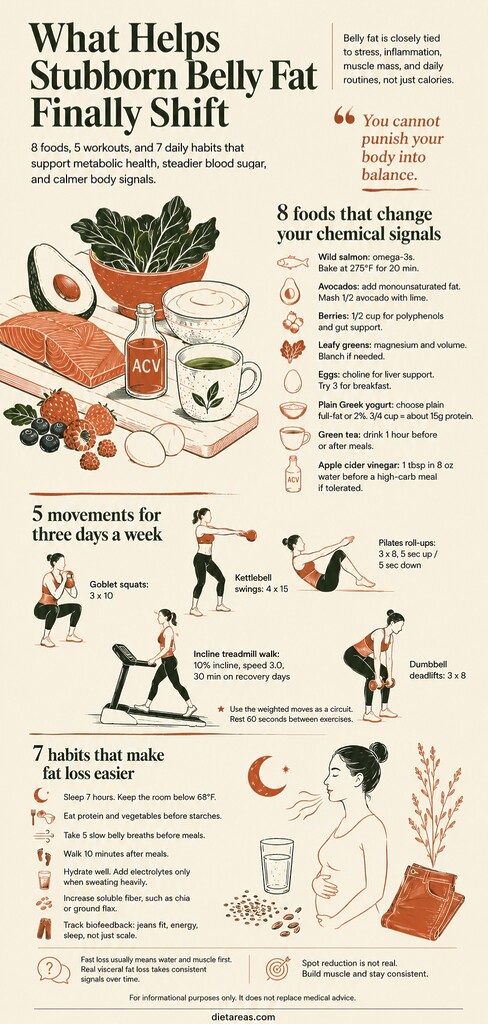
Delicious Foods That Change Your Chemical Signals
A sustainable flat belly diet plan relies on adding nutrient-dense ingredients that optimize your digestion and keep your hormones stable. These are not magic pills. They are biological tools.
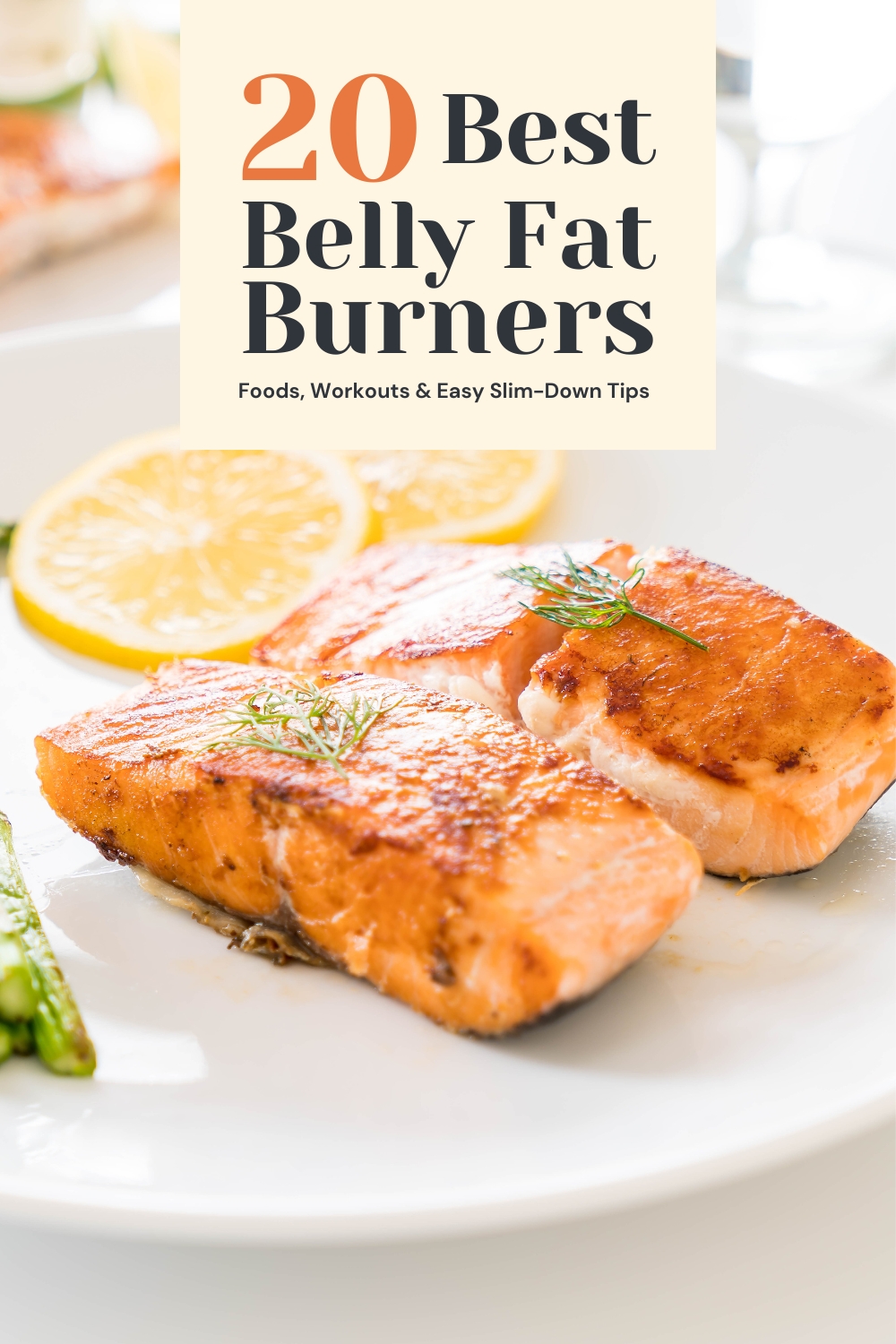
1. Wild-Caught Salmon
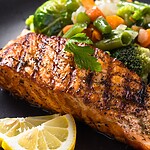
Salmon still earns its place here because it provides DHA and EPA omega-3 fatty acids, although human evidence is mixed on whether omega-3 supplements reduce visceral fat on their own. These delicate fats help calm systemic inflammation, but high heat can oxidize them. Bake your salmon fillets low and slow at 275°F for twenty minutes to preserve the healthy fats and keep the fish incredibly tender.
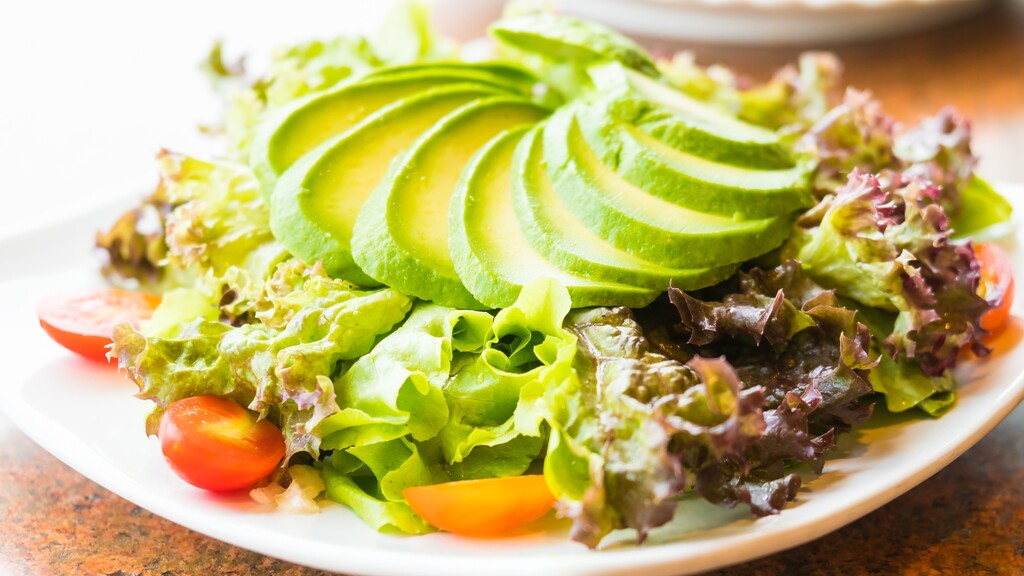
2. Creamy Avocados
Swapping some industrial seed oils for the oleic acid found in avocados is a simple way to add more monounsaturated fat to your plate. Furthermore, the fat in avocados helps your body absorb carotenoids that your body can convert into vitamin A from your other vegetables. Mash half an avocado with lime juice and sea salt as a daily replacement for mayonnaise.
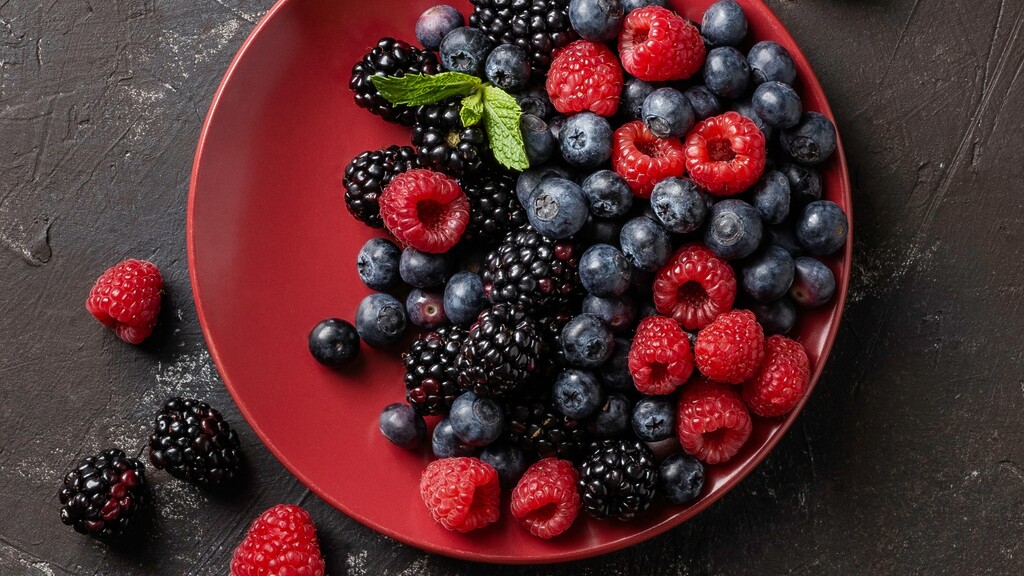
3. Fresh Berries
Raspberries and blackberries are packed with polyphenols that may help support a gut bacteria called Akkermansia muciniphila. Emerging research links higher levels of this bacteria with healthier metabolic markers. Tossing a half cup of berries into your morning routine provides a targeted dose of these crucial prebiotic compounds.
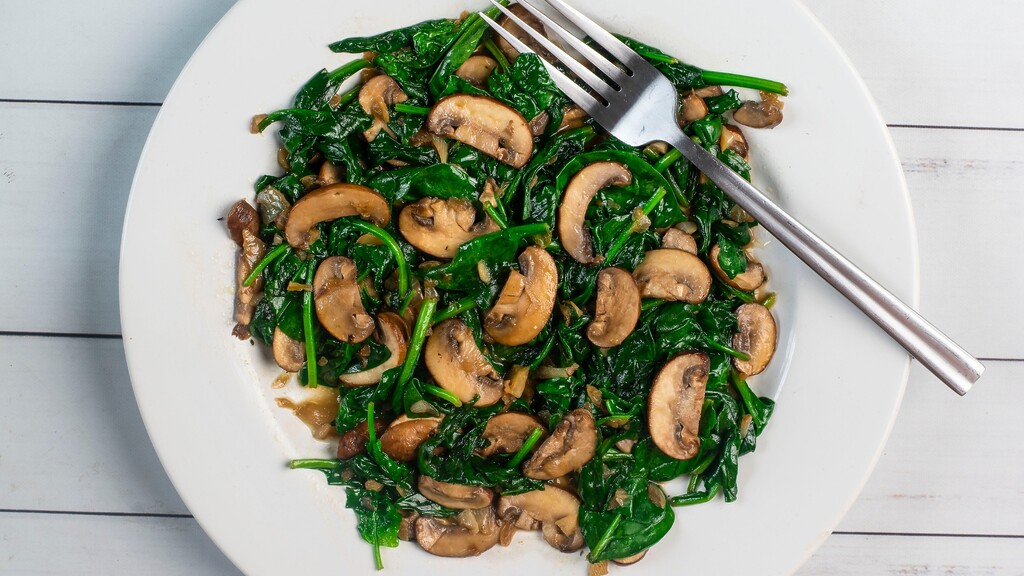
4. Dark Leafy Greens
Spinach and Swiss chard provide immense volume and vital nutrients like magnesium, a mineral involved in normal stress-response pathways. Raw greens can be tough on digestion for some people due to oxalates. If oxalates bother you, blanching spinach first can lower them, and a quick sauté afterward makes the greens easier to tolerate.
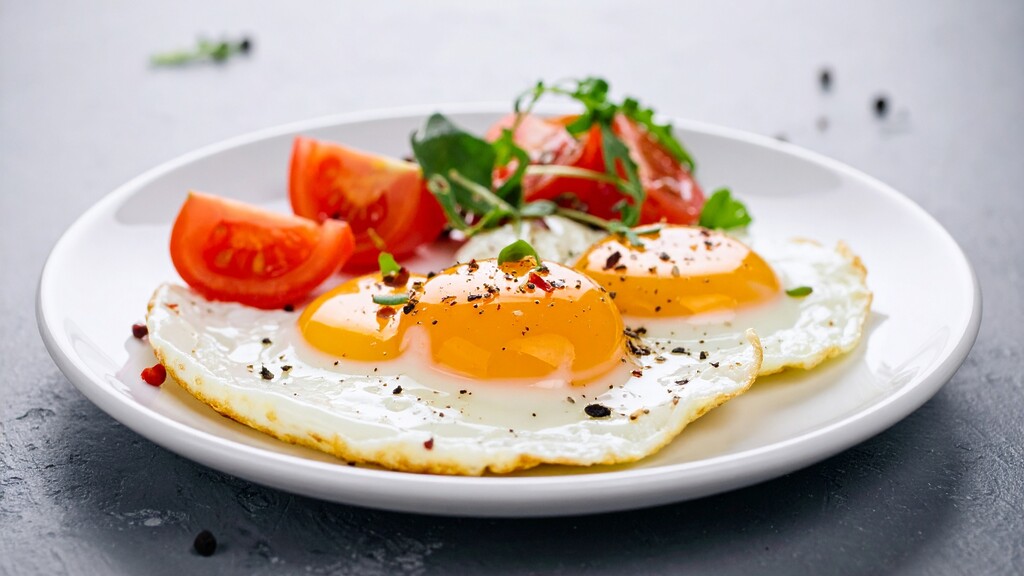
5. Pasture-Raised Eggs
Eggs are a metabolic powerhouse due to their high choline content. The liver requires choline to package and export dietary fat, helping keep fat from accumulating in the liver. Whisking three whole eggs for breakfast ensures your liver has the raw materials it needs to process fat efficiently.
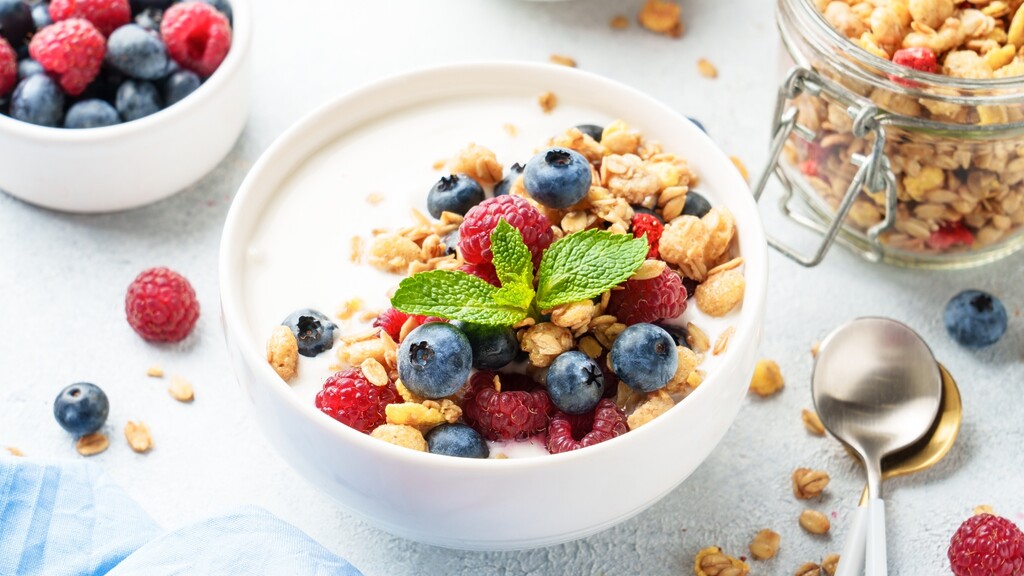
6. Plain Greek Yogurt
The fermentation process gives Greek yogurt a powerful dose of live cultures, while the slow-digesting casein protein prevents afternoon hunger crashes. Choose full-fat or 2% plain varieties to avoid the hidden sugars that sabotage fat loss. A serving size of three-quarters of a cup delivers roughly fifteen grams of protein.
7. Green Tea
Green tea contains a specific antioxidant called EGCG that may support fat oxidation. Timing matters here. The tannins in green tea can block iron absorption from your food. Drink your cup of green tea an hour before or after your main meals rather than during them.
8. Apple Cider Vinegar
The acetic acid and other compounds in apple vinegar can reduce the activity of digestive enzymes that break down starches. Drinking one tablespoon of apple cider vinegar diluted in eight ounces of water before your highest-carb meal of the day may blunt the resulting glucose spike for some people, but skip this if it worsens reflux or conflicts with diabetes medication advice.
The Best Exercises to Lose Belly Fat
To shift your body composition, cycle these five movements into a focused routine three days a week. Perform the weighted exercises as a circuit, resting a full minute between movements, and use the incline walk on your off days to support active recovery.
9. Heavy Goblet Squats
Holding a dumbbell vertically against your chest forces your deep core muscles to brace intensely to keep your torso upright. This compound movement recruits the largest muscle groups in your body to maximize caloric burn. Perform 3 sets of 10 repetitions with a weight that makes the last two reps genuinely difficult.
10. Kettlebell Swings
While long, grueling high-intensity classes can leave you feeling drained, brief bouts of explosive power may trigger metabolic adaptation without the same lingering fatigue. The kettlebell swing builds explosive strength in your glutes and hamstrings. Perform 4 sets of 15 reps, taking a full 60 seconds of rest between sets to allow your heart rate to recover.
11. Pilates Roll-Ups
Pilates trains the transverse abdominis, the deep muscle layer that acts like an internal corset. Lie flat on your back and slowly peel your spine off the mat one vertebra at a time, reaching for your toes. Complete 3 sets of 8 reps, taking five full seconds to roll up and five seconds to roll back down.
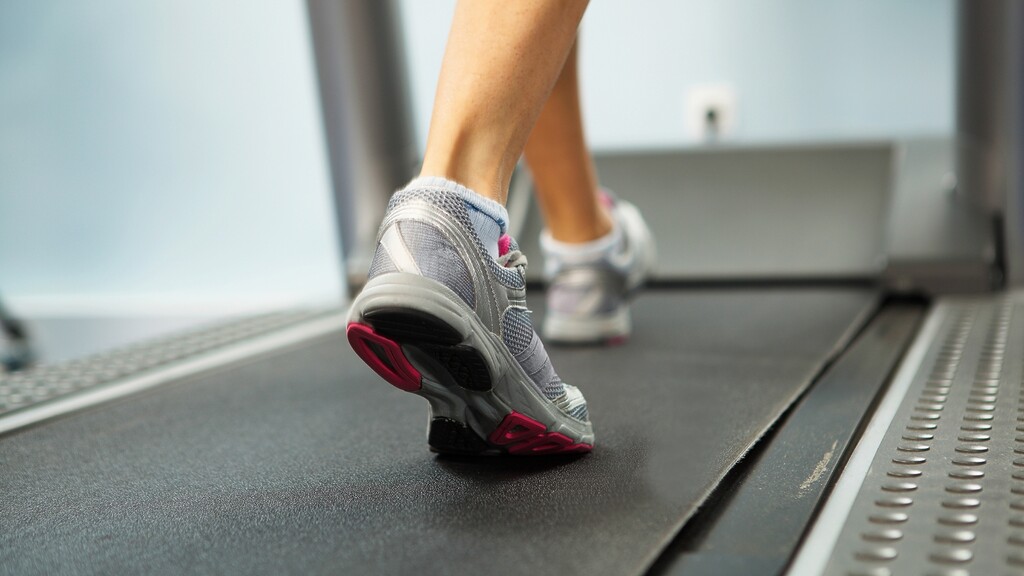
12. Incline Treadmill Walking
Brisk walking on a steep incline engages your calves and glutes intensely without triggering the heavy systemic fatigue of running. Set your treadmill to a 10 percent incline and walk at a 3.0 speed for thirty minutes on your designated recovery days.
13. Dumbbell Deadlifts
When you hinge at the hips to lift weight from the floor, your abdominal wall must contract fiercely to protect your lower back. Keep your chest proud, your spine completely neutral, and push your hips backward until you feel a deep stretch in your hamstrings. Execute 3 sets of 8 carefully controlled repetitions.
Belly Fat Loss Tips: The Daily Habits
Your nervous system decides whether to release or hold onto stored energy based on the daily environmental cues you provide.
14. Prioritize Seven Hours of Sleep
Deep sleep is a major window for your body to release human growth hormone (HGH), a compound that supports muscle tissue and fat metabolism. Keep your bedroom below 68°F to help your core body temperature drop, signaling your brain that it is time for deep restorative sleep.
15. Eat Your Protein First
The sequence in which you eat your food alters your hormonal response. Consuming your protein and vegetables before touching your starches can improve post-meal glucose and satiety signals, including GLP-1, helping you feel fuller after the meal.
16. Practice Deep Belly Breathing
Taking five slow breaths before a meal stimulates your vagus nerve, shifting your nervous system out of fight-or-flight mode. When your body is relaxed, digestion may feel smoother, meaning you may experience less stress-related post-meal bloating.
17. Take a Ten-Minute Walk After Meals
A short stroll right after dinner encourages glucose transporters in your leg muscles called GLUT4 to move toward the cell surface. These transporters help pull glucose out of your bloodstream, and a recent 10-minute walking study found a lower resulting blood sugar peak.
18. Hydrate With Electrolytes
Drinking plain water all day is usually fine when you are also eating regular meals, but long periods of heavy sweating can leave you under-replenished. Adding a pinch of high-quality sea salt or a sugar-free electrolyte powder can help replace sodium losses in that situation, while everyday hydration usually works fine with water and regular meals.
19. Increase Soluble Fiber
Foods like chia seeds and flaxseeds provide soluble fiber that can bind cholesterol and bile acids in your digestive tract, helping carry them out before they can be reabsorbed. Stirring one tablespoon of ground flaxseed into your oatmeal provides an effortless daily dose of this necessary fiber.
20. Track Biofeedback, Not Just Weight
The scale cannot differentiate between muscle, water, and visceral fat. Stop stepping on it every morning. Instead, track how easily your jeans button, the quality of your sleep, and your afternoon energy levels. These biofeedback markers improve weeks before the total weight changes.
The goal isn’t to starve the fat away. The goal is to send your body a powerful signal that it is finally safe enough to let the stored energy go.
Common Questions About Midsection Fat
Can you spot reduce belly fat?
No amount of direct core work will burn fat exclusively from your stomach. Your body oxidizes fat globally based on its own genetic programming. Focusing on building overall muscle mass and balancing your hormones will eventually force your body to pull from those stubborn visceral stores.
How to lose belly fat fast?
Rapid fat loss usually means dropping water weight and lean muscle, followed by a severe metabolic rebound where you regain the fat even faster. True reduction of visceral tissue requires consistent signaling over several months. Focus on stringing together weeks of adequate protein, heavy lifting, and solid sleep rather than searching for a quick fix.
The journey to a healthier midsection will test your patience. Pay close attention to how your body responds to real food, celebrate the days you feel remarkably strong in your workouts, and trust that the visible changes will inevitably follow the internal healing.



 This post may contain affiliate links.