A standard morning smoothie often hides a dessert’s worth of sugar behind a handful of spinach. We’re skipping that trap today. These seven diabetes-friendly smoothies lean heavily on healthy fats, smart proteins, and low-sugar flavor boosters like cinnamon and matcha. You get a thick, frosty cup that actually holds you over until lunch.
A quick note: These recipes are built with blood sugar in mind, but this isn’t medical advice. Everyone’s nutritional needs look different, so please chat with your doctor or registered dietitian if you’re managing a diagnosed condition.
My blender sees more avocados and zucchini than a standard fruit bowl these days. It sounds weird until you try it—those vegetables bring a velvet texture that bananas usually provide, but without the immediate sugar rush. When you are looking for a diabetes-friendly morning, relying exclusively on fruit-heavy drinks can be tricky.
The American Diabetes Association notes that tracking total carbohydrates is a solid starting point for meal planning. But it’s not just about what you pull out of the blender—it’s what you add in. These recipes rely on a recognized nutritional pathway: anchoring carbohydrates with dietary fiber and healthy fats.
Research suggests that pairing your morning carbs with fiber and fat may help support a steadier digestion process. That’s why you’ll see ingredients like flax meal, almond butter, and chia seeds heavily featured below. They give the drink staying power.
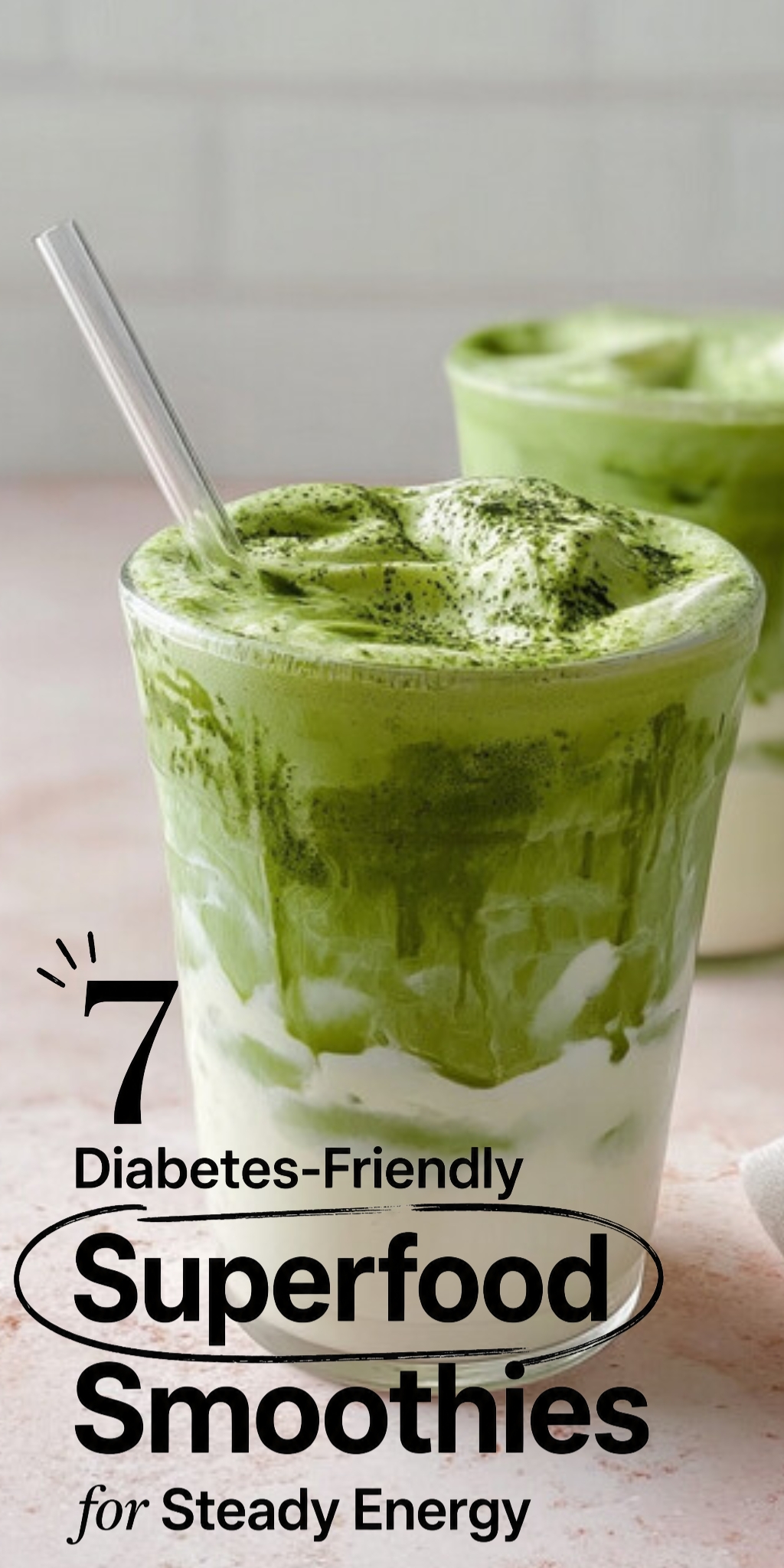
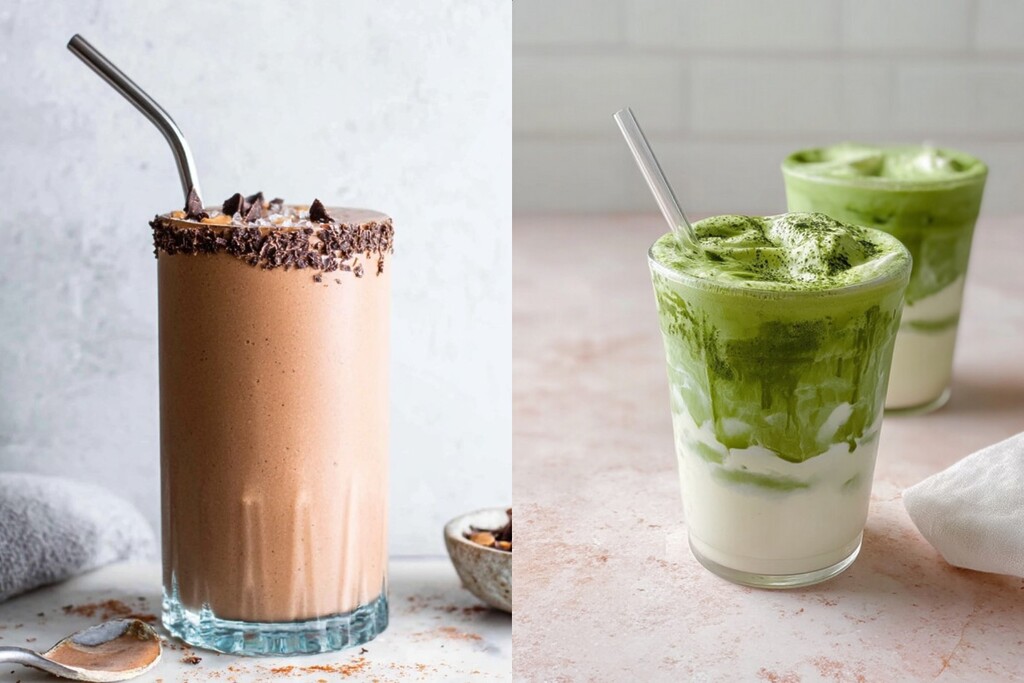
The loose, frothy texture here comes from blending coconut and zucchini, which sounds like a salad but tastes incredibly refreshing. I love how the matcha cuts through the richness with a slight earthy bite. With solid protein from collagen peptides, it slots easily into a low-carb morning without leaning on chalky powders. It’s light, vibrant, and surprisingly filling.
🕒 Ready in: 10 minutes
16g Protein • 30g Fat •4g Fiber • 6g Net Carbs • 3g Sugar • 385 kcal
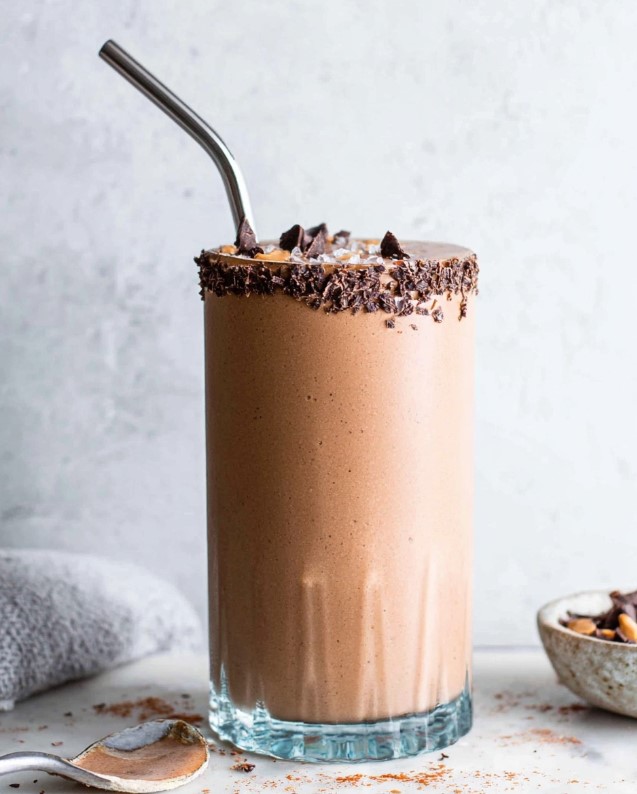
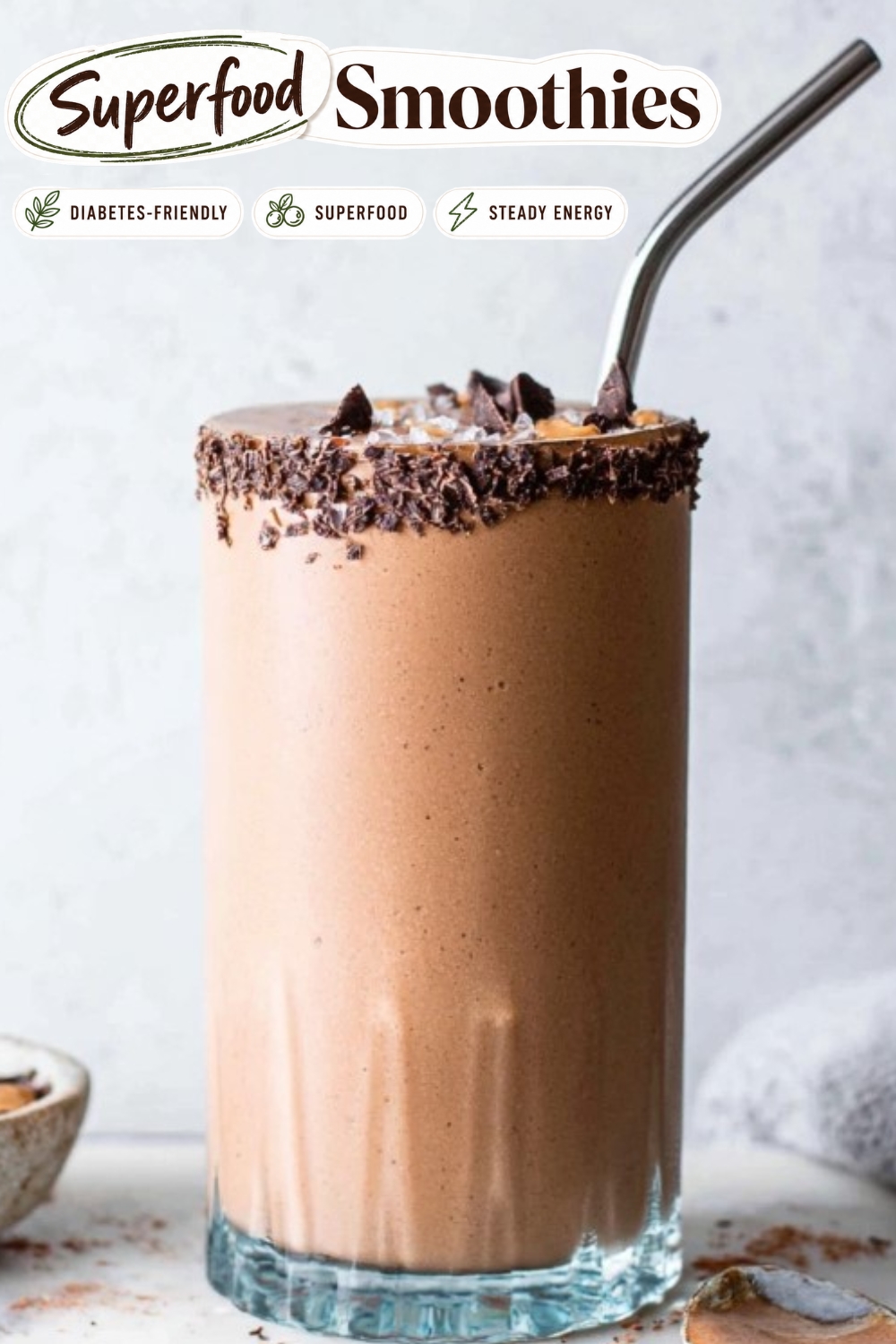
This pours thick and dark, smelling exactly like a fresh peanut butter cup before you even take a sip. A smart pinch of sea salt pulls out the natural sweetness of the cocoa, meaning you don’t need to load up on syrup. Providing eight solid grams of fiber, it can contribute to a steady morning rhythm while still feeling like an absolute treat.
🕒 Ready in: 5 minutes
11g Protein • 26g Fat •8g Fiber • 6g Net Carbs • 2g Sugar • 310 kcal
Deep purple and packed with an unexpected base of tofu and cashews, this blend achieves a creamy mouthfeel without any dairy. The green tea adds a subtle, floral astringency that balances the berries. With 16 grams of sugar from the fruit, it sits slightly higher on the carb scale, so try halving the berries if you prefer to keep your morning count tighter.
Mint and lime give this purple blend a sharp, bright edge that cuts right through the richness of the almond flour. Using flax meal is a smart trick here—it thickens the liquid as it sits, creating a smooth, spoonable consistency. It’s a beautifully simple way to work more fiber into a fast breakfast without a lot of prep.
Avocado and coconut water create a surprisingly silky, hydrating base that lets the cinnamon shine. The zucchini completely disappears into the background, leaving just the color and a cool, mild finish. Delivering a strong dose of dietary fiber, this combination is generally considered a fantastic way to anchor your morning energy levels.
This is a true savory-leaning green drink that doesn’t try to hide its spinach base. Almond butter adds weight to the unsweetened almond milk, ensuring the texture isn’t watery. Clocking in at less than one gram of sugar, it relies completely on the protein powder for flavor, making it a highly dependable, ultra-low-sugar option.
Fresh ginger and cinnamon give this bright orange blend a spicy, warming kick that tastes almost like a slice of carrot cake. The Greek yogurt adds a tangy undertone that balances the stevia perfectly. It’s a brilliant way to break out of the usual berry-and-greens rut while keeping your carbohydrate count comfortably low.
When you shift away from standard fruit smoothies, the blender behaves a little differently. Here is what usually comes up.
Why add cauliflower or zucchini? They provide bulk and a creamy texture when frozen, without adding the sugar load of a banana. They are essentially flavorless once blended with a good protein powder or nut butter.
Does blending destroy fiber? Blending pulverizes the physical structure of the plant, but the actual fiber content remains in the cup. According to the CDC’s guidance on fiber and diabetes, fiber is a type of carb your body can’t digest, which is why it doesn’t spike blood sugar the way simple sugars do. Keeping that fiber in the drink is exactly why we use whole seeds and vegetables.
How do I fix a watery smoothie? Add half an avocado or a tablespoon of chia seeds. Both act as natural thickeners that also happen to align perfectly with a diabetes-friendly eating pattern.
Grab your favorite ingredients and give your blender a workout this week. If you found a new favorite combination, make sure to pin this list to your recipe board so you don’t lose it!
The recipes and content provided here are for informational and educational purposes only and are not a substitute for professional medical, dietary, or nutritional advice, diagnosis, or treatment. Individual nutritional needs and tolerances vary widely. If you have a diagnosed condition, are on medication, or are managing blood sugar, you should consult your own physician or registered dietitian before making meaningful changes to your diet. These statements have not been evaluated by the FDA and are not intended to diagnose, treat, cure, or prevent any disease. Nutrition values provided are estimates.



 This post may contain affiliate links.