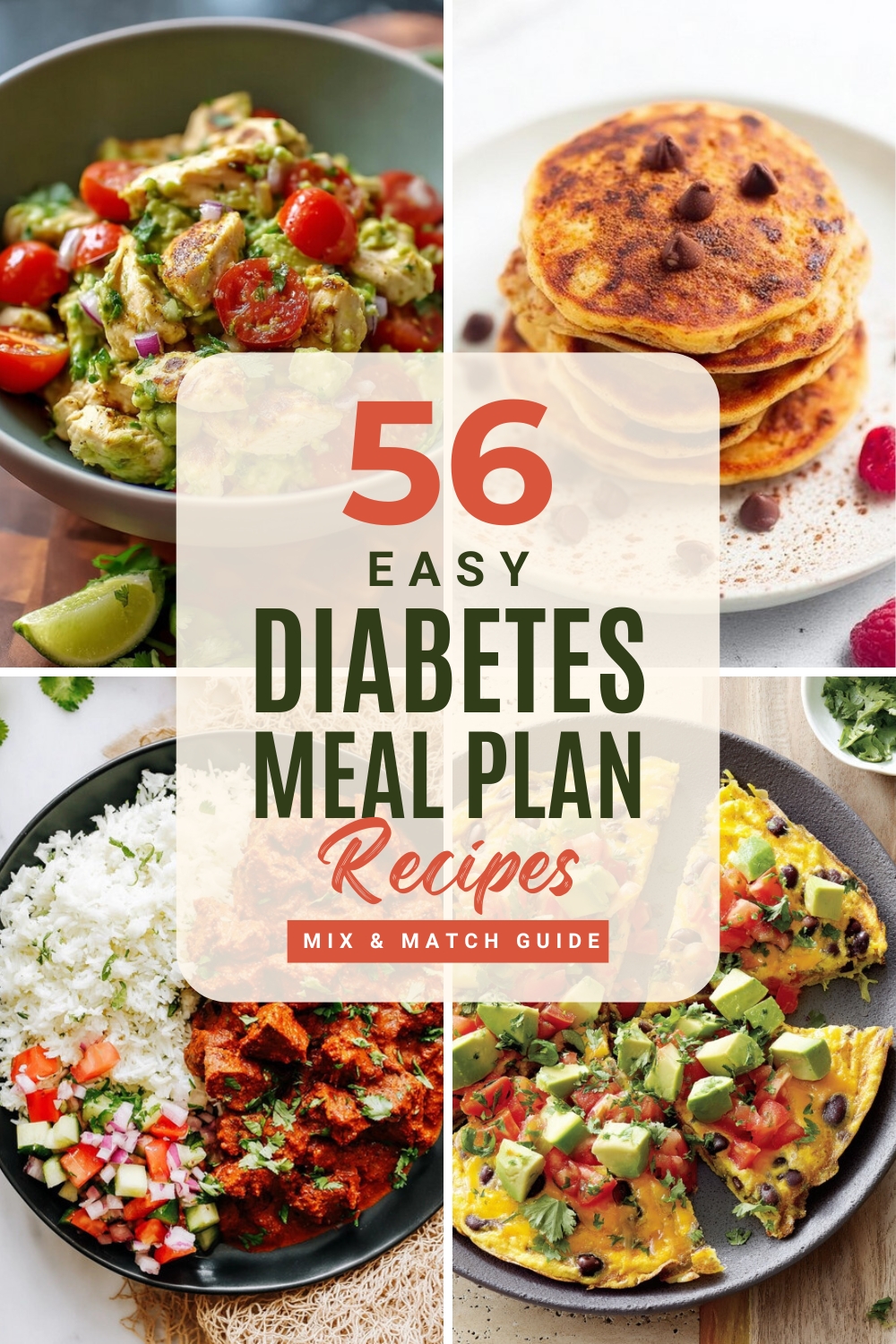
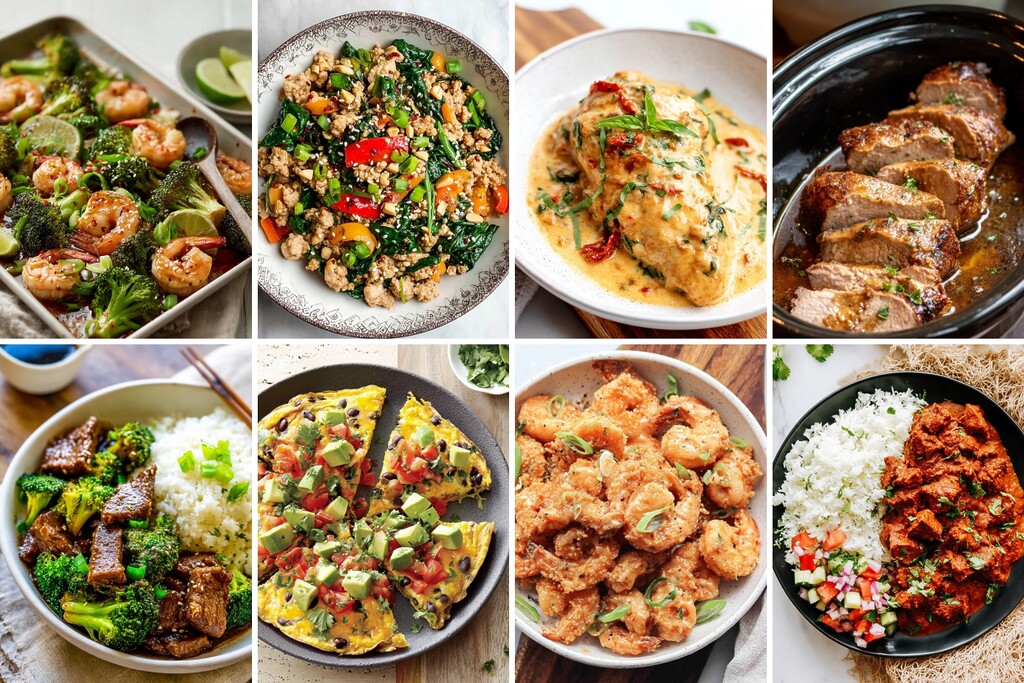
A diabetes meal planning guide works better when it gives you choices, not a rigid script. This one lets you pick one breakfast, one lunch, one dinner, and one snack or dessert, then use the nutrition strips to compare net carbs, protein, fiber, sugar, sodium, and calories.
Food-first note: These recipes are built around diabetes-conscious meal planning, but they are not medical or nutrition advice. Needs vary by medication, activity, health history, and personal targets, so work with your doctor or registered dietitian when changing your eating pattern.
This guide is built around a simple idea: the reader chooses the meals they actually want, then checks the numbers before turning those choices into a day. It is not a rigid seven-day prescription, and it does not claim that one carb target works for everyone.
The working rhythm is easy: pick one breakfast, one lunch, one dinner, and, if it fits the day, one snack or dessert. Each section starts its own numbering at 1 and runs through 14, so the reader can say, “Breakfast 4, Lunch 2, Dinner 9, Dessert 13,” and build a plan without scrolling through one giant mixed list.
The recipe cards are designed to make that choice practical. They show net carbs, protein, fiber, sugar, sodium, and calories where the data is available. That lets the reader compare meals side by side without turning the whole article into a spreadsheet.
The quick version: choose the foods first, then use the nutrition strip to check whether the day still fits personal guidance from a clinician or registered dietitian.
Breakfast: choose a fast skillet, a make-ahead egg bake, pancakes, or a bread-style option.
Lunch: choose a salad, lettuce cup, bowl, stuffed avocado, or protein-forward cold meal.
Dinner: choose a slow cooker main, skillet meal, sheet pan dinner, or saucy low-carb plate.
Snack or dessert: choose a planned small bite instead of grazing without a plan.
Planning questions: use the final section when you need pairing, portion, or flexibility notes.
How to Build a Day From the Four Recipe Rows
Start with the meal that usually gives you the most trouble. For some readers, breakfast needs to be ready before coffee. For others, dinner is the danger zone because takeout sounds easier by 6 p.m. Pick that section first, then build around it.
1. Choose the anchor meal first
If mornings are rushed, start in the breakfast section and pick a casserole, frittata, or loaf that can be sliced ahead. If lunch is the problem, start with the cold salads, tuna cups, salmon avocados, or lettuce wraps. If dinner is where plans fall apart, start with the slow cooker and skillet options.
2. Check the carbohydrate line, then look at the whole meal
The CDC carb counting guide explains that one carbohydrate serving is about 15 grams of carbohydrate, while also emphasizing that personal targets vary. That is why this article does not assign one “correct” number for everyone.
Use the net carb and sugar lines as comparison tools. Then look at protein, fiber, sodium, and calories so the meal still feels balanced for your own plan. A lower-carb meal with very high sodium may still need a gentler side choice later in the day.
3. Add the plate around the recipe
The American Diabetes Association meal planning page describes the Diabetes Plate as a nine-inch plate with nonstarchy vegetables, protein, and quality carbohydrates. The CDC plate method uses the same practical idea: half nonstarchy vegetables, one quarter lean protein, and one quarter carbohydrate foods.
That matters because not every recipe below is a full plate by itself. A frittata may be the protein anchor. A chocolate bite may be the planned sweet. A pork tenderloin dinner may need green beans, salad, roasted broccoli, or cucumber slices to feel complete.
4. Use the snack and dessert row on purpose
The last recipe row is not a command to add dessert every day. It is a controlled choice point. A planned truffle, mousse, cookie dough bite, or protein ball can be easier to manage than standing in the pantry and “just having a taste” six times.
5. Save the combinations that work
After trying a day, write down the combination that felt repeatable. Something as simple as “Breakfast 10 + Lunch 1 + Dinner 4 + Dessert 11” becomes a personal mini-menu. Do that three or four times and meal planning gets much less dramatic.
The Guardrails Behind This Flexible List
The plan uses evidence-informed meal-planning ideas, but the recipes are still recipes, not treatment. Food choices may help support a diabetes-conscious eating pattern, yet individual needs change with medication, activity, kidney health, heart health, appetite, culture, budget, and lab results.
The NIDDK diet, eating, and physical activity guidance says meal planning can include vegetables, protein foods, fruits, whole grains, dairy or plant-based dairy, fiber, and healthy fats, while keeping carbohydrates in mind.
The Mayo Clinic diabetes diet guide frames a diabetes eating plan as moderate portions, regular mealtimes, and nutrient-rich foods, not a separate set of foods for only one group of people.
The point is choice with guardrails. Pick what fits your appetite, schedule, and personal targets. The structure gives you freedom, while the nutrition strips keep the choice visible.
The Four-Line Check Before You Commit to a Combo
Before turning a set of recipes into a full day, scan four lines first: calories, net carbs, protein, and fiber. Calories show whether the item is a full meal, a meal anchor, or just a planned bite. Net carbs help compare starch and sweet choices, while protein and fiber help show whether the plate has enough substance.
Then use sodium, saturated fat, sugar, and calories as tie-breakers. For example, if two lunches look equally good, choose the one with more fiber or the one that leaves more room for dinner. If dinner is salty, keep the snack simpler and pair the meal with nonstarchy vegetables instead of another salty side.
Four Example Paths Through the Recipe Buttons
These are examples of how a reader can use the sections, not fixed medical menus. The best combination is the one that fits personal targets, cooking time, and the advice of the reader’s own care team.
The fast-workday path: choose a 10-minute or 15-minute breakfast, a cold lunch salad, a skillet dinner, and a no-bake snack or dessert.
The batch-cook path: choose an egg bake, a chicken or tuna salad that keeps well, a slow cooker dinner, and a portioned dessert bite.
The lighter-evening path: choose a protein-forward breakfast, a filling avocado or chicken lunch, a vegetable-heavy dinner, and skip the dessert row if the day already feels complete.
The sweet-tooth path: choose a lower-net-carb breakfast and lunch, keep dinner simple, then pick one planned dessert from the final row instead of leaving sweets to chance.
Some Recipes Are Anchors, Not Whole Meals
A meal planning guide should not pretend that every card is a full meal on its own. Some recipes below are complete lunch or dinner plates. Others are meal anchors, meaning they need vegetables, protein, fat, or another side to become satisfying.
Important example: the Coconut Protein Breakfast Loaf is only 70 calories per serving. That makes it a useful low-carb slice, not a full breakfast for most adults.
To use it as breakfast, build around it: add eggs, avocado, smoked salmon, turkey slices, cottage cheese, Greek yogurt, or another protein-forward topping. Without that, the slice may leave many readers hungry soon after eating.
Use the same logic anywhere a recipe is very light. A 100-calorie dessert is a planned sweet, not a snack that replaces food. A meat-only slow cooker dinner needs nonstarchy vegetables for volume and fiber. A salty chicken bowl needs a lower-sodium pairing later in the day.
Choose Your Row: Breakfast, Lunch, Dinner, or Something Sweet
Use these buttons like a menu board. Each button jumps to a separate recipe row, and each row starts at 1 and ends at 14. The spacing is built into the markup so the buttons do not sit against each other when the article is pasted into a CMS.
Breakfasts With Eggs, Skillets, Pancakes, and Make-Ahead Bakes
Pick one of these when you want the morning to feel savory, soft, or reheatable. The numbers restart at 1 here, so breakfast stays its own simple chooser.
Golden and sturdy, this coconut loaf is useful as a bread-style base, not as a complete breakfast by itself. At 70 calories and 4.8g protein per slice, pair it with eggs, avocado, turkey, Greek yogurt, or another protein source if you want it to function as a real morning meal. The 1.3g net carbs make it easy to fit beside richer toppings.
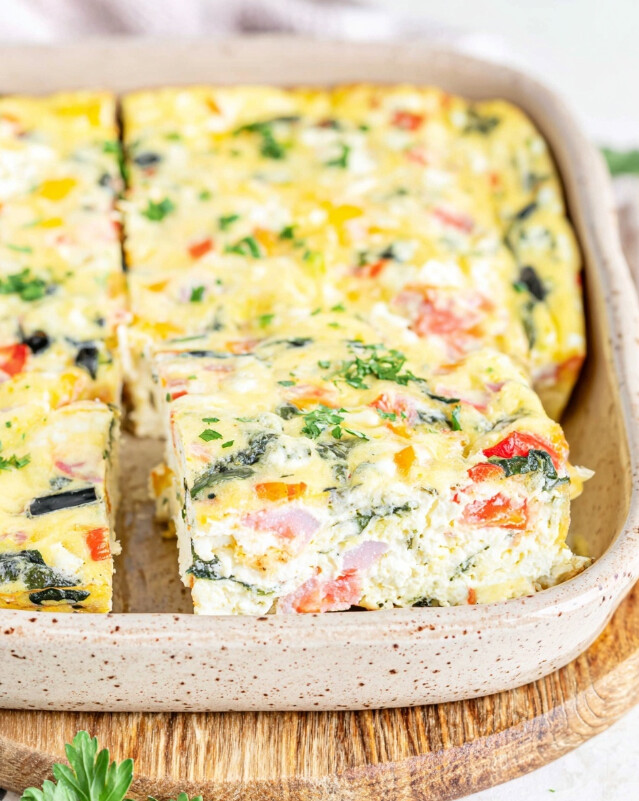
Soft and almost souffle-like, this egg bake gets its lift from cottage cheese blended into the eggs before baking. It works well for meal prep because one square feels like breakfast, not a side bite. The sodium is not tiny at 530mg, so I would keep the plate simple with fresh tomatoes, cucumber, or unsalted greens.
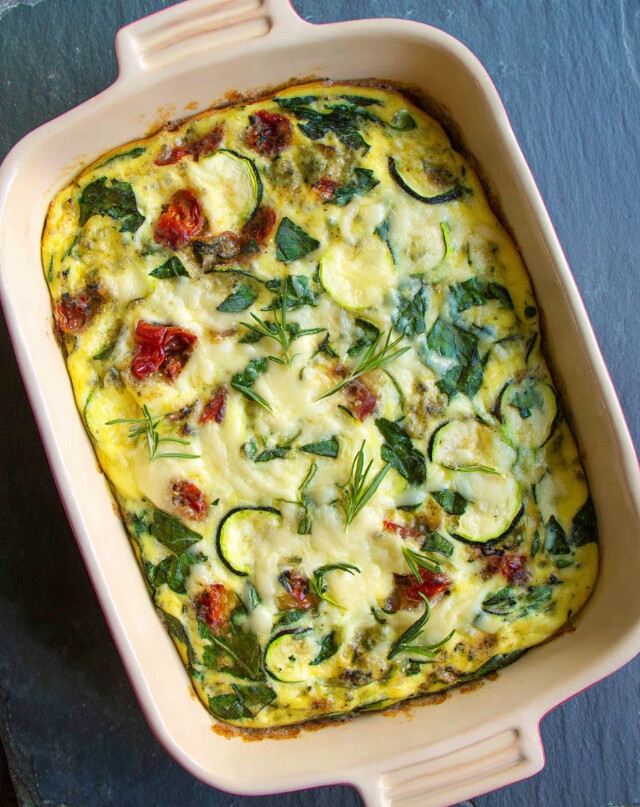
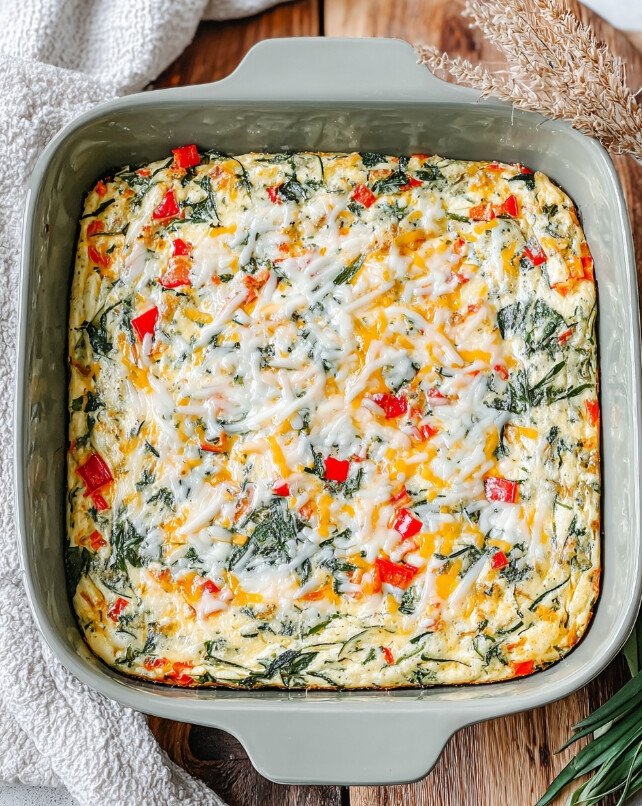
Herby, green-flecked slices make this mozzarella egg bake feel lighter than the usual cheese-heavy casserole. Zucchini and spinach add volume, while part-skim mozzarella gives a clean melt. At 115 calories, it may need a second piece or a side of avocado if breakfast has to carry you for several hours.
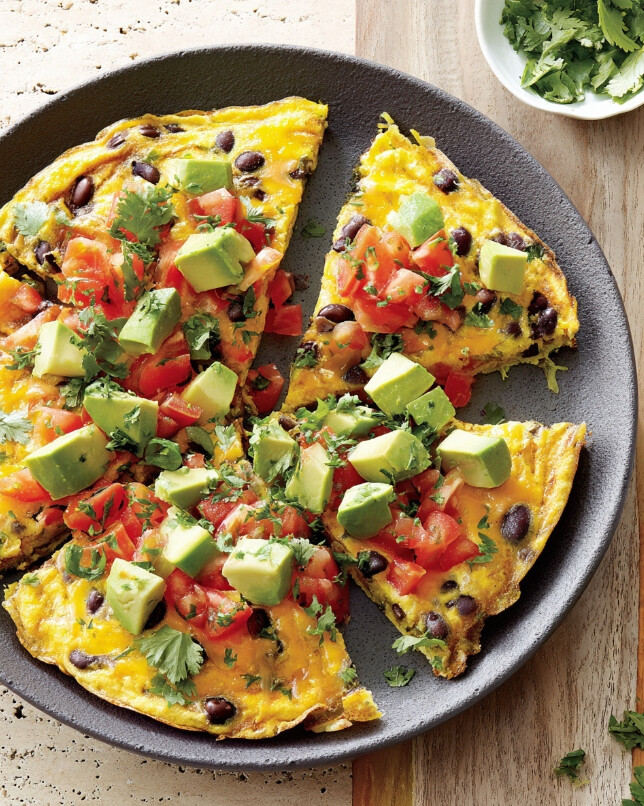
Bright salsa heat and creamy egg give this skillet a real breakfast-taco mood without the tortilla taking over. Black beans bring 5g fiber, which is meaningful for a single serving, and the 9g net carbs are still easy to read against the rest of the day. This is the one I would make when the pan is already out.
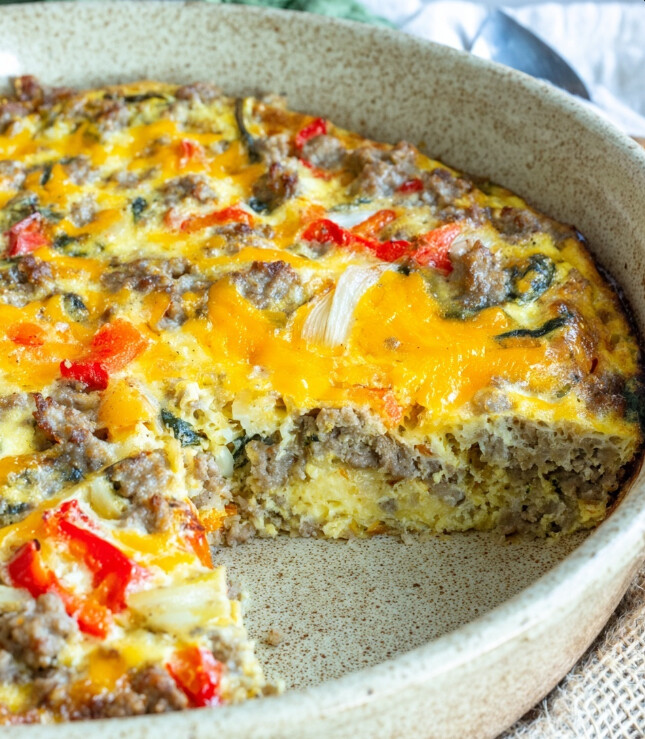
Smoked paprika and soft vegetables keep this farmhouse casserole from tasting like plain eggs in a dish. Cottage cheese adds body, peppers add color, and the bake reheats without turning watery. The saturated fat is higher than some breakfast picks here, so it is best matched with a crisp vegetable side rather than extra cheese.
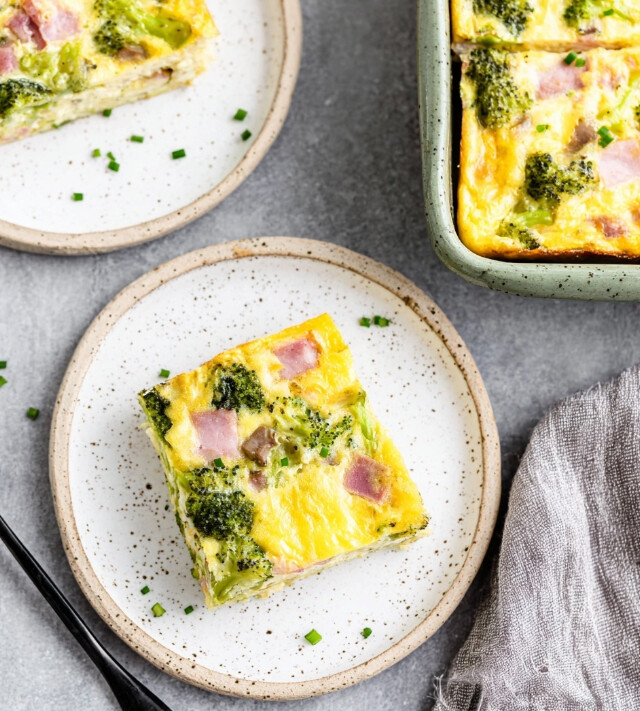
Thin, cheesy, and easy to cut, this sheet pan frittata is built for people who want breakfast portions lined up before the week starts. Ham and Gruyere bring big flavor in a small-carb package, with 2g net carbs per serving. Since it is savory and salty, fresh fruit within your carb target or crunchy vegetables make the plate feel cleaner.
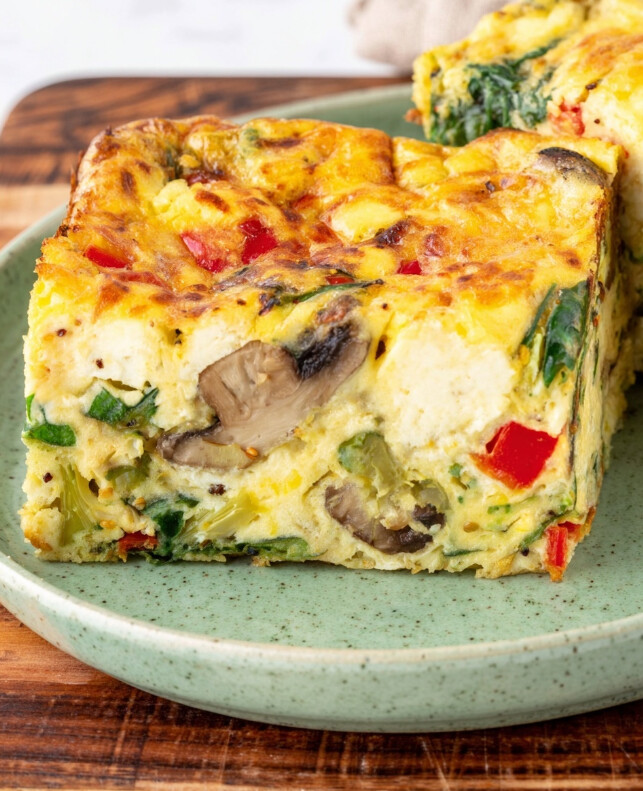
Garden-bright and diner-soft, this egg bake folds peppers, zucchini, and spinach into a familiar breakfast square. It is lighter in calories than a full brunch casserole, so treat it as an anchor and build the plate around it. A spoonful of avocado, a side salad, or another protein choice can make it feel more complete.
Savory turkey sausage and whole grains make this bake different from the egg-only casseroles in the row. It still keeps net carbs at 9g, but the 140 calories tell you it is a modest portion. I would use it on a prep day and add vegetables or a higher-protein side when breakfast needs more staying power.
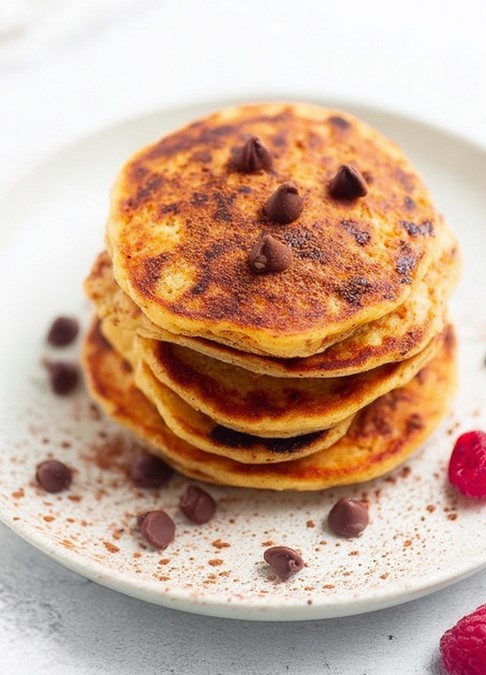
Cinnamon-warm and pancake-soft, these almond pancakes bring the comfort note in the breakfast section. They are richer than most egg bakes at 319 calories, yet the 7g net carbs and 4.7g fiber keep the numbers transparent. Skip syrup-heavy toppings and lean into berries, butter in a measured amount, or plain Greek yogurt.
Fluffy like a diner casserole, this turkey breakfast bake is one of the more filling morning choices in the guide. Lean turkey gives it 26g protein, while the 3g net carbs keep the carb line simple. The texture holds up after reheating, which matters on mornings when breakfast is eaten standing near the counter.
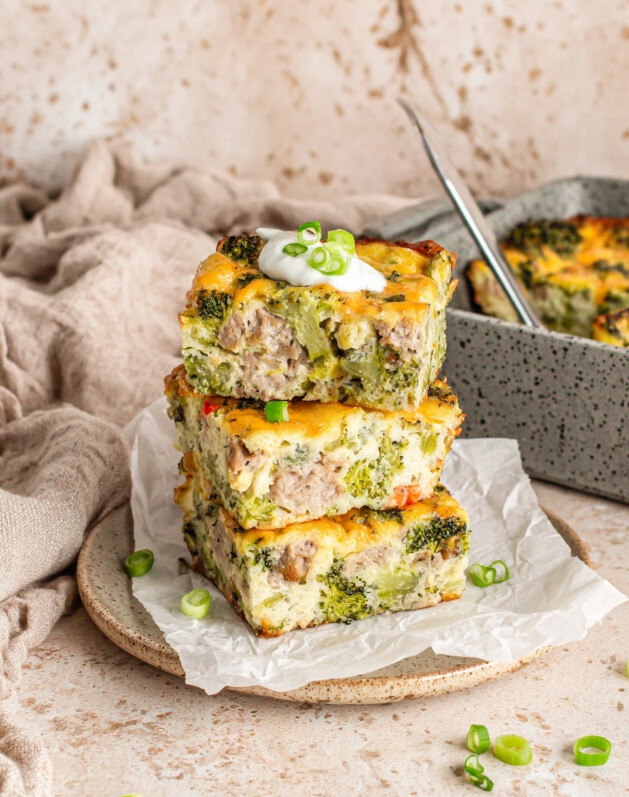
Broccoli tucked into a savory egg base gives this casserole a greener, heartier feel than a plain sausage bake. Turkey sausage keeps the flavor familiar, and 17g protein helps the square act like a true breakfast anchor. Because sodium lands at 470mg, pair it with something fresh rather than another processed breakfast meat.
Feta tang and spinach pull this ham breakfast bake toward a Mediterranean-style plate without making it complicated. The 2g net carbs are very low, and the 13g protein gives it more substance than the calorie count suggests. If you serve it for brunch, sliced tomatoes and cucumbers keep the meal bright.
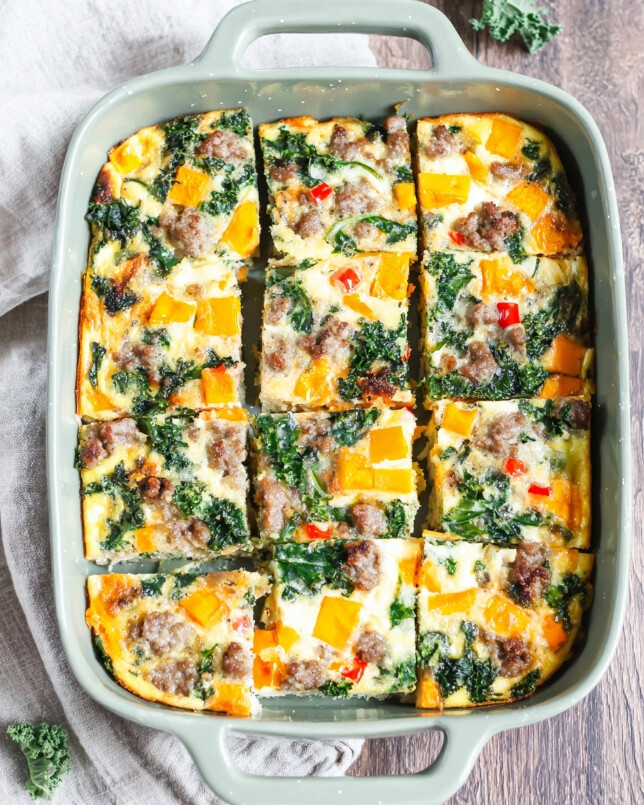
Sweet potato, kale, and turkey sausage give this bake the most Sunday-brunch personality of the breakfast row. It still shows only 6g net carbs per serving, which makes the sweet potato portion feel controlled. The 260 calories and 20g protein make it a stronger stand-alone breakfast than the lighter egg squares.
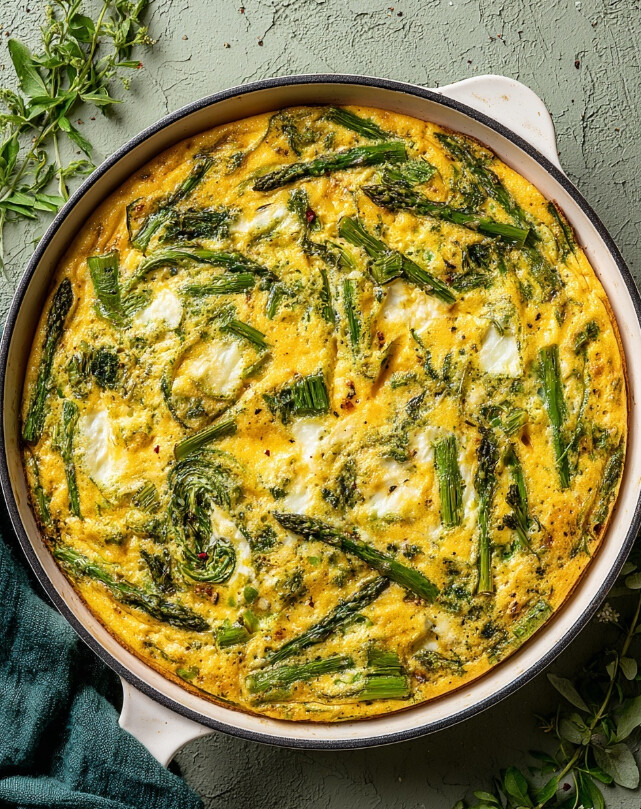
Asparagus snap and bok choy crunch make this quick frittata taste fresher than its 15-minute timing suggests. It has 14g protein, 3g net carbs, and enough vegetable texture to avoid feeling flat. At 135 calories, though, it is better as a breakfast base than the whole plate, especially on an active morning.
These are the cold bowls, lettuce cups, salads, and quick skillet-style lunches. The numbering starts again because lunch should be easy to scan on its own.
Lime, avocado, and cilantro keep this chicken salad cool and sharp instead of heavy. It is one of the easier lunches to turn into a full plate because chicken brings 25.9g protein and avocado helps the texture feel generous. The 7.7g fiber is a real strength here, so lettuce cups or cucumber scoops work better than bread.
Briny tuna meets creamy avocado in a lunch that comes together fast and stays cold well. The portion is lighter at 189 calories, so it may need a side salad, boiled egg, or extra vegetables if lunch has to last all afternoon. I like the 2.9g net carbs here because it leaves room for a planned snack later.
Walnuts, pecans, and tart cranberries give this chicken salad crunch and little sweet sparks without turning it into dessert. The 33g protein makes it substantial, while 1.8g net carbs keeps the carb line low. Because it is richer at 411 calories, serve it over greens or tucked into lettuce instead of adding another dense side.
🕒 Total Time: 50 minutes
Net Carbs: 1.8g• Protein: 33g• Fiber: 1.5g • 411 kcal
Stacked spinach, egg, avocado, and blue cheese make this salad feel like a deli lunch that learned portion control. It has 36g protein and 5g fiber, so it reads as a full meal more than a side salad. Watch the 606mg sodium if dinner will be salty, and keep the dressing measured.
Grilled chicken with herb-shop aroma gives this Athenian salad the kind of lunch flavor that does not feel like a compromise. Greens and Mediterranean toppings bring freshness, while 29g protein gives it backbone. The 7g net carbs are straightforward, and a lemony dressing keeps it lively without needing croutons.
Parmesan crisps bring the crunch in this Caesar-style chicken salad, replacing the usual crouton moment with something lower in carbs. Protein is strong at 46g, but sodium is high at 945mg. Use a lighter hand with dressing or cheese if needed, and let the rest of the day lean less salty.
Air-fryer crunch is the whole reason these chicken tenders belong in the lunch row. Pork rind and almond flour create a crisp coating without a floury breading, and the 0.6g net carbs are unusually low. Since fiber is minimal, add crunchy slaw, lettuce, broccoli, or sliced peppers to make the plate feel balanced.
Ginger, cabbage, and sesame notes make this egg roll bowl hit the takeout craving without the wrapper. It brings 27.1g protein and 2.5g fiber, which gives it more structure than a plain meat skillet. The sodium is very high at 1212mg, so this is a smart place to choose low-sodium sauce or reduce the salty add-ins.
Warm chicken against cold lettuce gives these wraps the snap that makes lunch feel fresh. They are quick, neat, and easy to portion, with 8g net carbs and 22g protein per serving. The sodium line is worth noting at 735mg, so a simple cucumber salad or unsalted vegetables would be the cleaner side.
Smoky steak and avocado crema make this bowl feel more like a takeout order than a desk lunch. The 30.5g protein gives it real staying power, and the 6g net carbs leave space for vegetables on the side. It is calorie-dense at 506 calories, so the toppings should stay intentional rather than piled on automatically.
🕒 Ready in: 25 minutes
Net Carbs: 6g• Protein: 30.5g• Fiber: 3.2g• 506 kcal
Dill, lime, and creamy salmon turn avocado halves into a tidy lunch with very little cooking. This one is especially useful when you want a softer, fork-and-knife meal that still brings 20.3g protein and 5.4g fiber. The avocado makes it filling, so the side can stay crisp and simple.
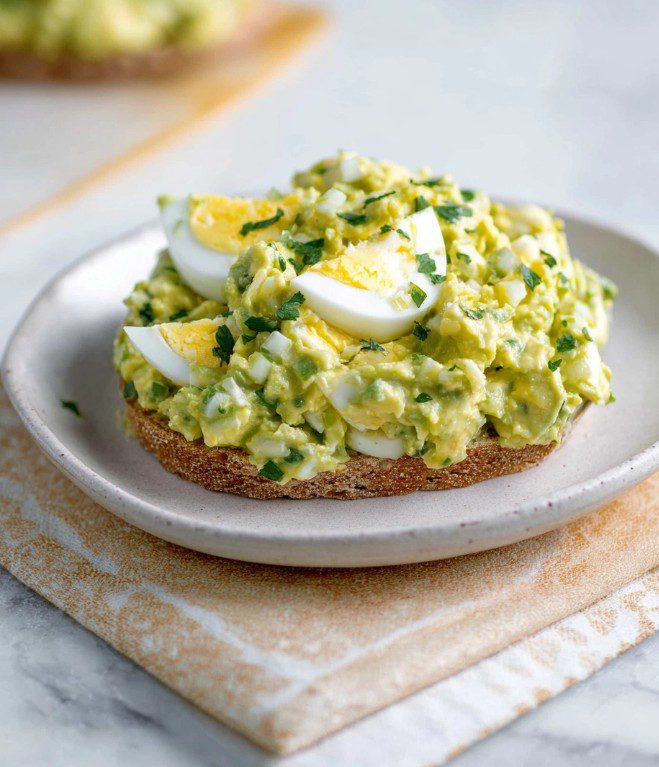
Lemon and cumin wake up this avocado egg salad so it does not taste like plain mashed eggs. Greek yogurt lightens the dressing, while avocado gives the bowl enough richness to feel satisfying. With 7.1g fiber and 4.3g net carbs, it is a strong lunch choice for readers who like creamy salads without bread.
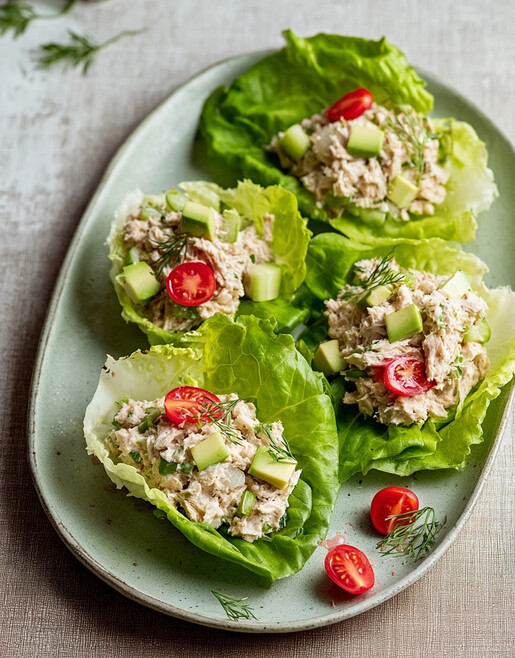
Cold tuna in crisp lettuce cups is the no-cook lunch to keep in your back pocket. It is lower in calories at 185, so plan on extra vegetables, a second protein portion, or a soup that fits your carb target if you need a fuller meal. The 1.4g net carbs keep it flexible.
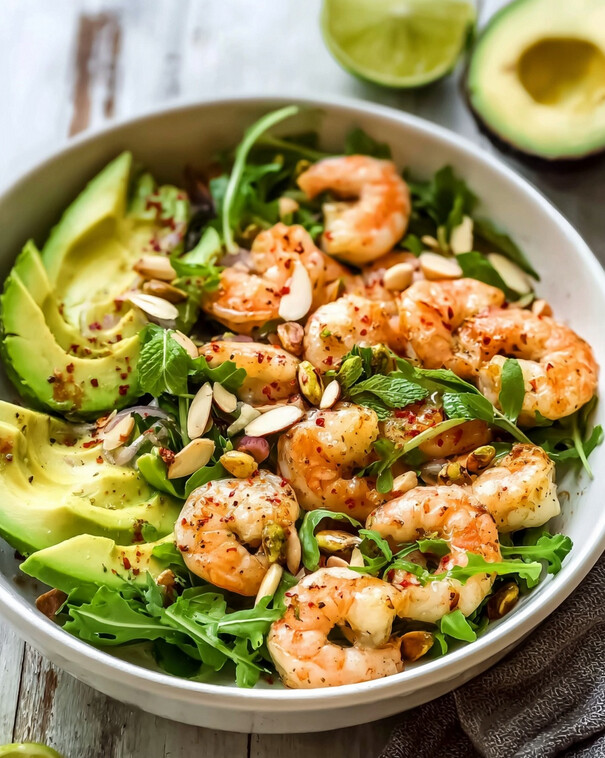
Pan-seared shrimp and lime vinaigrette give this avocado salad a bright, restaurant-style finish. It brings 26g protein and 7g fiber, making it one of the more complete lunches in the row. Since the flavor is citrusy and fresh, it pairs well with greens instead of a starchy side.
Fork-tender pork with a glossy glaze makes this slow cooker dinner feel polished without much hands-on work. The 32g protein gives the plate a strong center, while 2g net carbs leaves room for nonstarchy vegetables. Fiber is zero here, so broccoli, green beans, cabbage, or salad are not optional extras in my kitchen.
Smoky shredded beef and lime give this barbacoa plenty of taco-night energy without needing a tortilla. It is a powerful protein pick at 53g per serving and only 1g net carb. Because fiber is absent, build the bowl with lettuce, peppers, cauliflower rice, pico de gallo, or another vegetable-heavy base.
Creamy ranch, bacon, and melted cheese make this chicken dinner rich and filling. It carries 61g protein, which is substantial, but the saturated fat and sodium make portion awareness important. I would serve it with a big pile of roasted broccoli or crisp salad, not another creamy side.
Crisp-edged pulled pork brings the slow-cooked texture people want from barbecue night, minus a sugary bun. The carb line stays low at 2.4g net carbs, and protein lands at 37g. Since fiber is only 0.6g, spoon it over slaw, lettuce, roasted cabbage, or cauliflower mash for a better plate.
Tomato-red spices and slow-cooked chicken make this tikka dinner smell like it took more work than it did. It has 45g protein and 9g net carbs, so the main dish is easy to compare against the day. Keep rice portions deliberate, or use cauliflower rice when you want the sauce to stay the focus.
Browned peppers and juicy chicken make this sheet pan dinner practical for a busy night. It brings 54g protein and 4g fiber, which helps it feel like more than plain chicken. Sodium is higher at 780mg, so use fresh herbs, lime, or vinegar for brightness instead of automatically adding extra salty sauce.
Buffalo tang in cool lettuce keeps this dinner punchy, quick, and easy to portion. The 1.6g net carbs are very low, and 37.2g protein gives the wraps substance. Fiber is listed at zero, so I would set out celery, cucumber, cabbage slaw, or roasted cauliflower to round out the plate.
Lemon, salmon, and roasted asparagus make this sheet pan meal one of the cleanest dinner choices in the guide. It has 35g protein and 3g fiber, with 4.3g net carbs. The higher calorie count comes from the salmon and fat, so keep any extra sauce light and let the vegetables do their job.
Garlic heat clings to shrimp and broccoli in this fast sheet pan dinner. It is one of the lighter dinner options at 195 calories, yet it still brings 27.8g protein and 3.3g fiber. If your appetite is bigger, add more nonstarchy vegetables rather than turning it into a rice-heavy bowl.
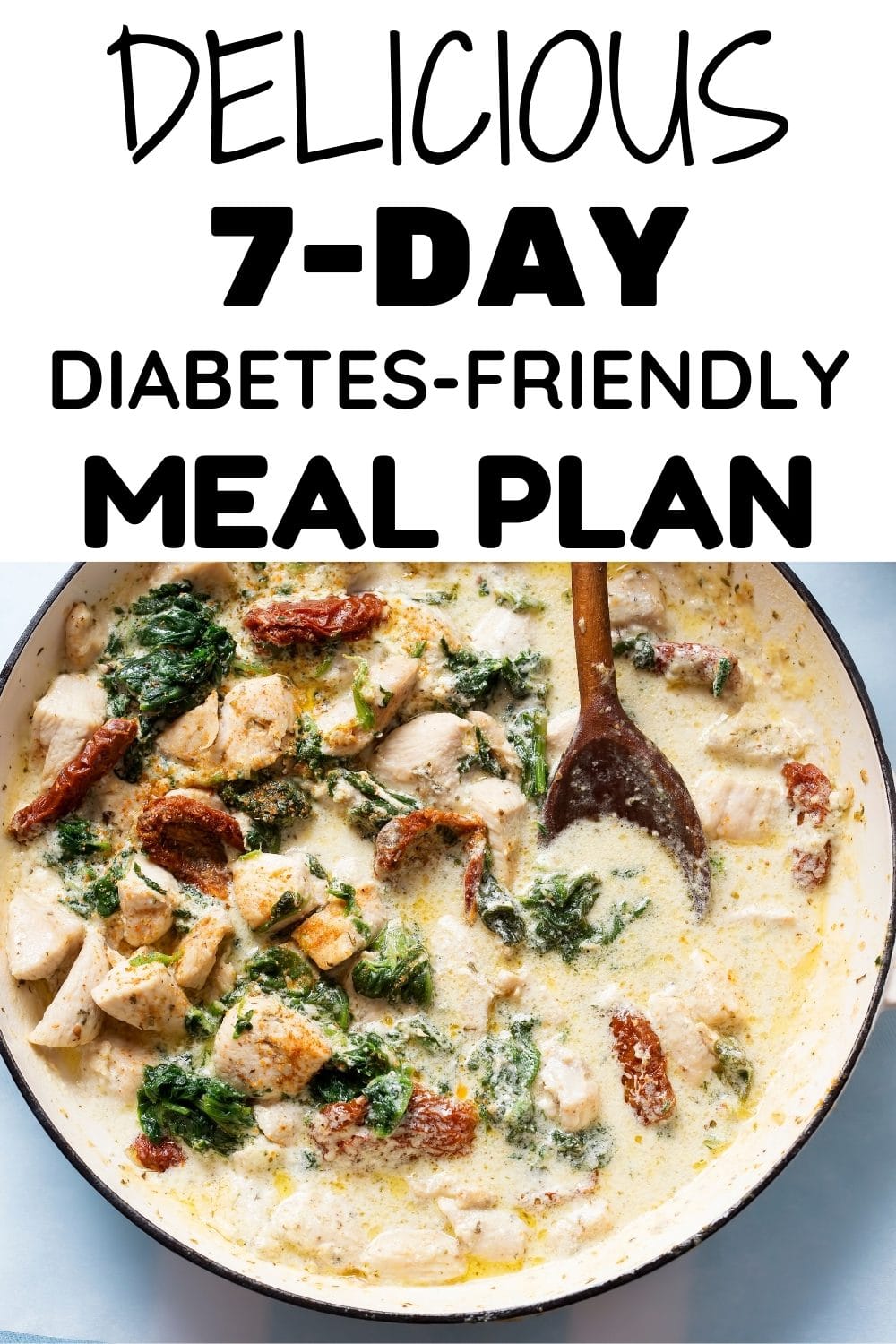
Sun-dried tomato flavor and silky sauce make this Tuscan chicken feel cozy without pasta underneath. The 39.7g protein is strong, and 5.7g net carbs keeps the main dish flexible. Because the sauce is rich, pair it with zucchini noodles, spinach, roasted broccoli, or a small salad to keep the plate from feeling heavy.
Tender slices that hold together are the payoff with this almond-flour meatloaf. Almond flour replaces a bread-heavy binder, keeping net carbs at 2.9g while protein reaches 33.8g. Sodium is high at 895mg, so use a lower-sodium sauce if possible and balance the plate with unsalted vegetables.
Ground turkey and quick vegetables make this skillet the kind of dinner you can cook when plans have already gone sideways. It is moderate in calories, strong on protein at 24.1g, and low in net carbs at 3.6g. Add extra spinach or zucchini if you want more volume without changing the meal much.
Crisp shrimp under a creamy-spicy sauce gives this skillet a fun takeout mood. The 36g protein and 2.5g net carbs look appealing, but sodium is 800mg and the calories are close to 500. Keep portions clear, then add a crunchy lettuce bowl or steamed vegetables beside it.
Beef, broccoli, and a slow cooker sauce make this dinner familiar without requiring a delivery order. It has 34.6g protein and 9.3g net carbs, which keeps the bowl manageable. If you want it more filling, add extra broccoli or mushrooms before adding any rice or noodles.
These are portion-friendly sweets and snack bites. They still belong in the guide because a realistic plan needs room for something small, chocolatey, creamy, or chilled.
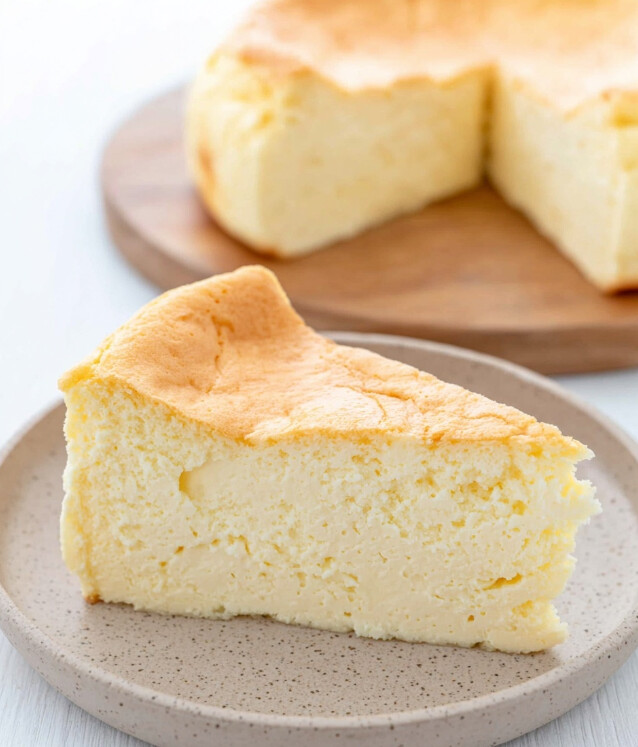
Tangy yogurt turns custardy in this three-ingredient cake, making it a gentle sweet option rather than a heavy dessert. At 93 calories and 7g net carbs, it works best as a planned bite after a meal. Protein is modest, so do not treat it like a snack that replaces lunch.
Chewy coconut with toasted edges gives these macaroons a bakery feel in a small portion. They are low in net carbs at 1.2g and low in sodium at 37mg, but protein is only 2.2g. Use them as a sweet finish, not as the thing that has to keep hunger away.
Cold chocolate and peanut butter make these bites taste richer than their size. The 1.7g net carbs are easy to fit into a plan, and the portioned format helps prevent the open-bag problem. Because protein and fiber are modest, they work best after a balanced meal or with a small protein pairing.
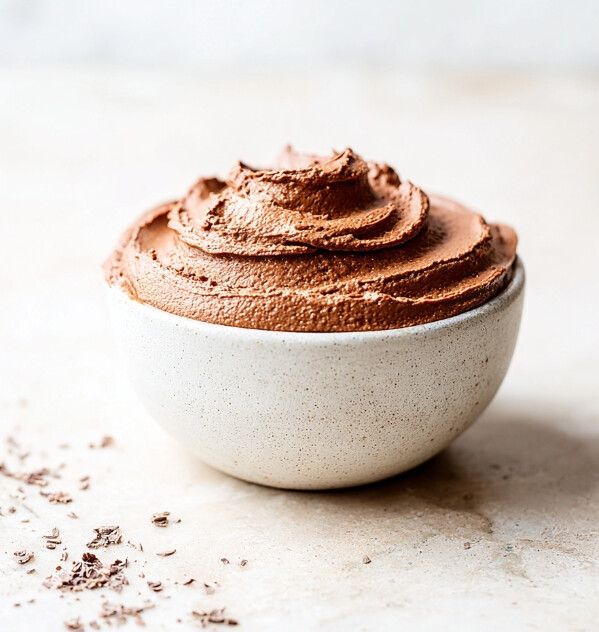
Smooth, spoonable chocolate is the reason this mousse earns a spot in the dessert row. It keeps net carbs at 4.5g and calories under 100, while still offering a little protein. Chill it in small cups so the serving is decided before the spoon goes in.
Berry brightness over a creamy base keeps these cheesecake cups from feeling too dense. They are no-bake, portioned, and easy to make ahead for a planned sweet. The 5.3g net carbs are still modest, but protein is low, so place them after a meal rather than using one as a stand-alone snack.
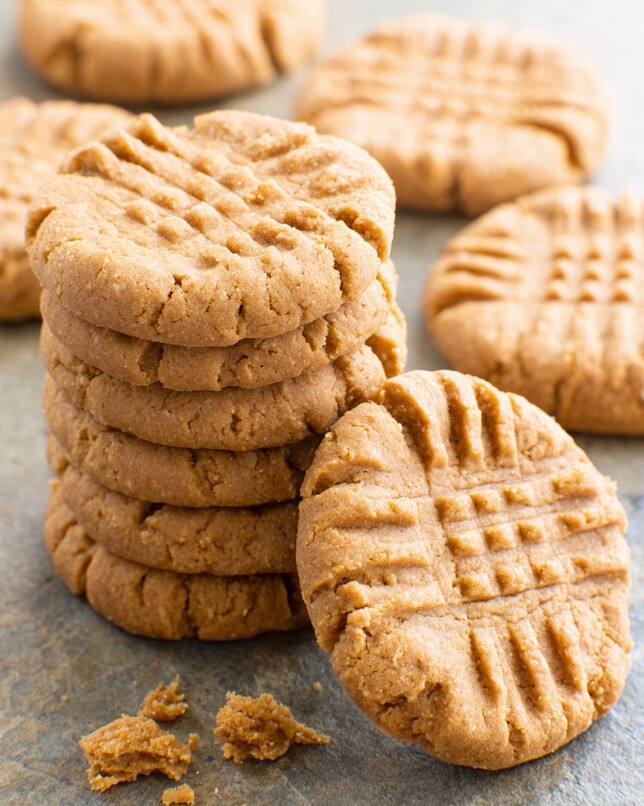
Soft peanut butter cookies bring the familiar three-ingredient dessert idea into a lower-carb row. Each serving has 3g net carbs and 135 calories, which makes portion size the main thing to watch. They are simple enough that I would freeze extras right away, mostly to keep the batch from disappearing.
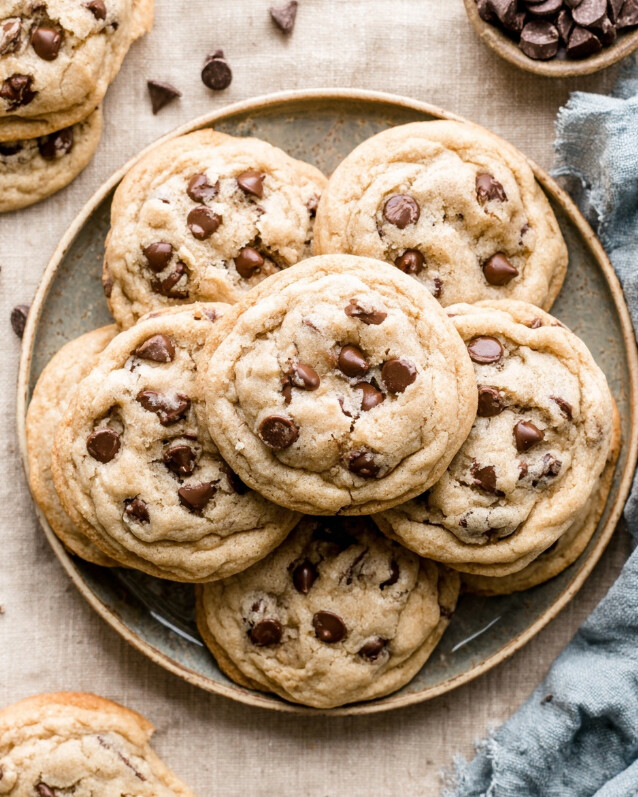
Bakery-soft centers with chocolate chips make these cookies feel classic, even with almond flour in the dough. The 3g net carbs keep the sweet portion visible and modest. Protein is not the reason to choose them, so pair one with a meal or a higher-protein snack if hunger is the issue.
Dark cocoa, espresso, and cinnamon make this microwave brownie taste grown-up and intense. It has 6.2g fiber, which is notable for a dessert, but it is also 364 calories. Treat it like a rich planned dessert, not a casual extra, and consider sharing if the day is already calorie-heavy.
Coffee-soaked flavor in small cups gives this tiramisu a dessert-shop feel without a big serving. It offers 10g protein and 4g net carbs, which makes it more structured than most sweets here. The cup format is helpful because the portion line is already drawn before dessert starts.
Cinnamon, peanut butter, and almond make these protein bites practical for a planned snack. They bring 12.9g protein and 3g fiber, which is stronger than most dessert-row options. The calories are 207, so count them as a real snack rather than a tiny afterthought.
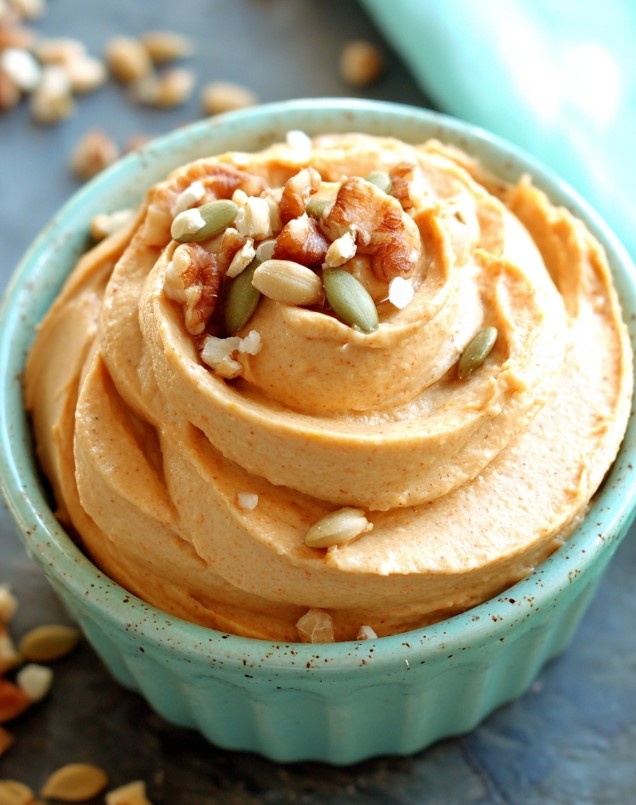
Pumpkin spice and chilled mousse texture give this cup a fall-dessert feel without a pastry crust. It has 3.5g net carbs and 2.5g fiber, so the portion works neatly in the sweet row. If you want more staying power, serve it after a protein-forward meal instead of on an empty stomach.
Blender-smooth cottage cheese turns this cheesecake into a soft, spoonable dessert with 2g net carbs. The 7.5g protein is helpful but not quite a high-protein claim, so keep the wording honest. I like this one for readers who want something creamy without a crust.
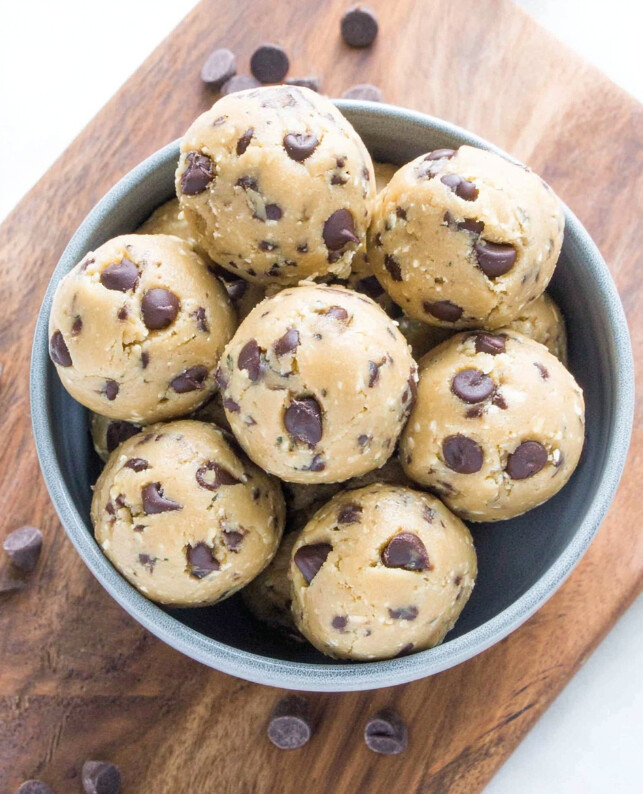
Cookie dough flavor without baking makes these bites easy to portion ahead. Flaxseed and almond flour help bring 3g fiber, while net carbs stay at 4g. They are still a sweet snack, so two bites on a plate will serve you better than eating straight from the storage container.
Velvety dark chocolate in a tiny truffle gives this final pick a clean, intense finish. It is only 59 calories with 2.5g net carbs, but it is not a meal and barely brings protein. Use it as the small planned sweet at the end of dinner, not as an afternoon snack substitute.
Small Planning Questions That Save a Lot of Guessing
Can I choose any breakfast, lunch, dinner, and dessert together?
Usually, yes, as a planning exercise, but the final day still depends on your personal carbohydrate target, medications, hunger, activity, and clinical guidance. Use the nutrition strips to compare the day before you shop.
What should I do if a recipe is mostly protein?
Add nonstarchy vegetables. A simple salad, roasted broccoli, cucumber slices, green beans, or sauteed zucchini can make the meal feel complete without turning it into a heavy starch plate.
Are the desserts meant to be eaten every day?
They are options, not instructions. Choose the one that fits your plan, portion it, and check the net carbs, sugar, and calories. A small planned dessert often feels calmer than random grazing from the pantry.
What if my dietitian gave me different carb numbers?
Follow your personal plan. The CDC and ADA both stress that meal planning should be individualized, and your own care team knows your medication routine, lab work, and goals better than a recipe roundup can.
Evidence and Reference Notes for the Meal-Planning Frame
Save the meal buttons, then build a day that sounds good enough to repeat. A plan is easier to keep when breakfast, lunch, dinner, and the small sweet bite all feel like real food.
This article and the recipes linked here are for informational and educational purposes only. They are not a substitute for professional medical, dietary, or nutrition advice, diagnosis, or treatment. Individual carbohydrate needs, medication timing, sodium limits, kidney considerations, and food tolerances vary. People with diabetes, prediabetes, kidney disease, heart disease, or anyone taking glucose-lowering medication should consult their physician or registered dietitian before making meaningful diet changes. Statements have not been evaluated by the FDA and are not intended to diagnose, treat, cure, or prevent any disease. Nutrition values are estimates.
Hi, I’m Emily! As a wellness researcher and recipe developer, my mission is simple: to bridge the gap between nutritional science and the joy of eating. Here, you’ll find evidence-based recipes that feed your body without boring your tastebuds. Read her full story.