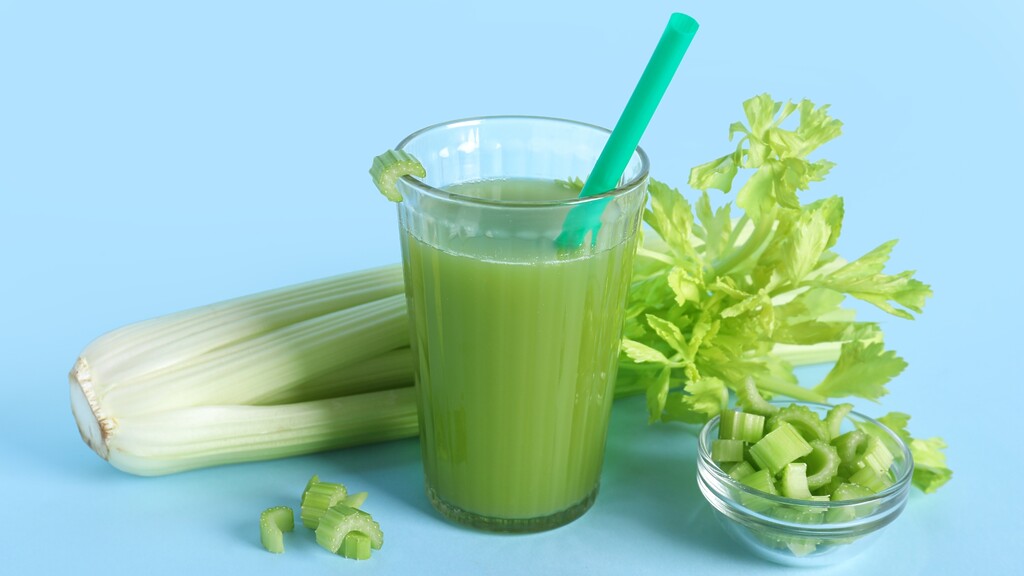
The loudest voices online insist that the primary celery juice benefits include curing everything from bad skin to a stressful inbox. The reality is much quieter but far more practical. Pressing a raw stalk gives you a simple source of fluid, along with many of the vitamins, minerals, and plant chemicals found in the vegetable.
My own deep dive into gut-health strategies started because navigating PCOS and rigid dietary protocols left me feeling exhausted. I needed something simple. I started looking at the clinical data behind vegetable juices and realized that celery juice is much more modest than the hype: a simple, hydrating vegetable drink.
You might wonder how a juice with very little fiber can fit into a digestive routine. It does not scrub your intestines with physical bulk. Instead, the pure liquid mainly acts as a hydrating vegetable juice, and the stronger claims about flushing waste or stimulating bile are not backed by solid human evidence.
Celery does contain sodium and other minerals, but cluster salts lack evidence. Those minerals can contribute to fluid balance, but celery juice has not been shown to rebuild stomach acid for better digestion later in the day.
Then there are the botanical compounds. Because much of the fiber is removed during juicing, the drink is easier to sip quickly, but the raw enzymes in celery juice have not been shown to go straight to work easing digestion or soothing the gut lining. Add in celery’s natural antioxidants, specifically compounds like luteolin, and you get a daily habit that may support an overall anti-inflammatory diet, even though celery juice itself has not been proven to calm inflammation in people.
As a quick reminder, I am a researcher sharing my own routine, not a doctor. Always check with your primary care provider before making big shifts to your daily habits, especially if you manage a specific health condition.
The wellness world thrives on complicated protocols, but sometimes the most powerful thing you can offer your body is a simple, hydrating reset.
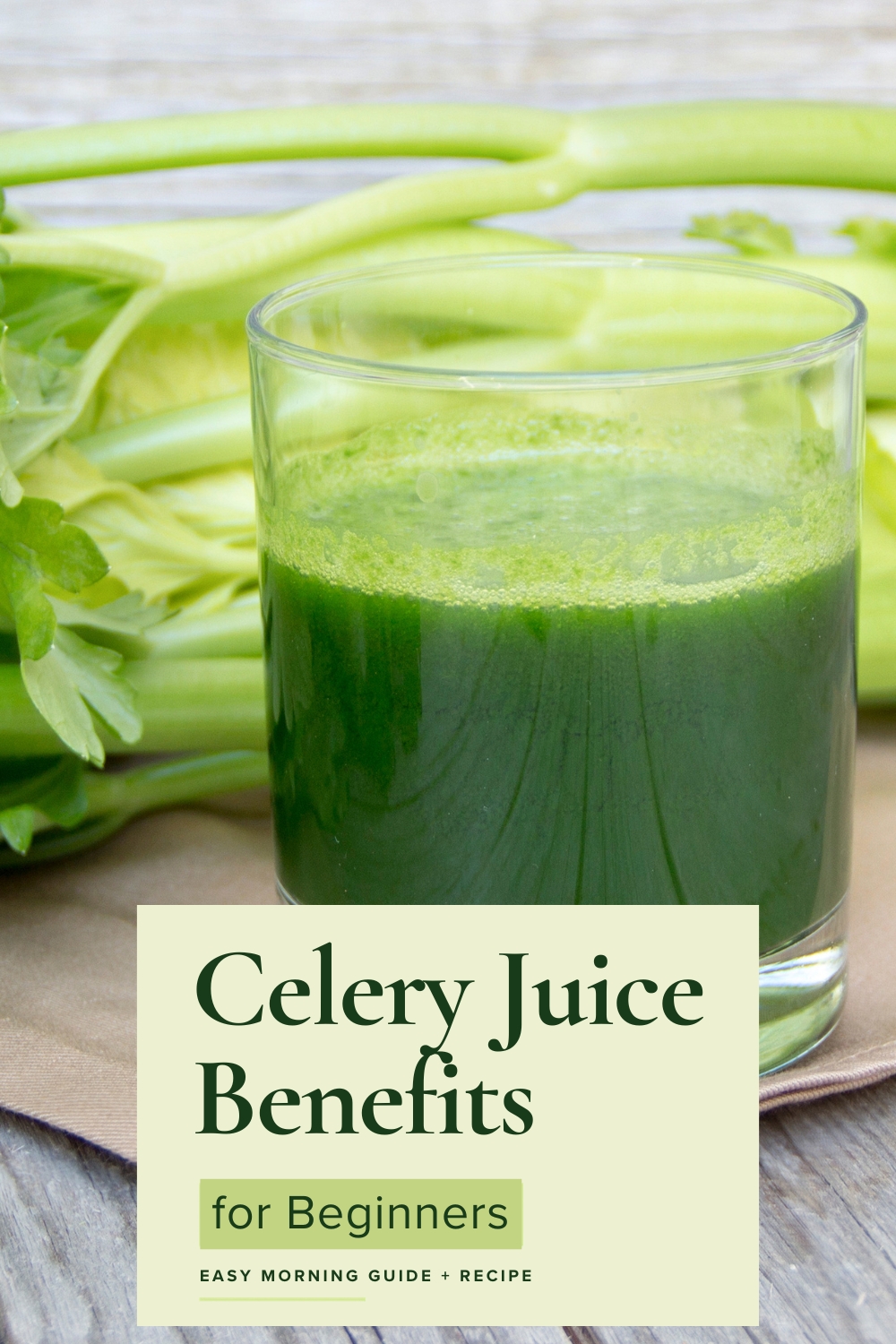
When you drink it, expect a very specific flavor profile. It does not taste like a sweet smoothie. It tastes like pure, structural hydration: earthy, mildly salty, and remarkably crisp.
How to Make Celery Juice (Without the Stress)
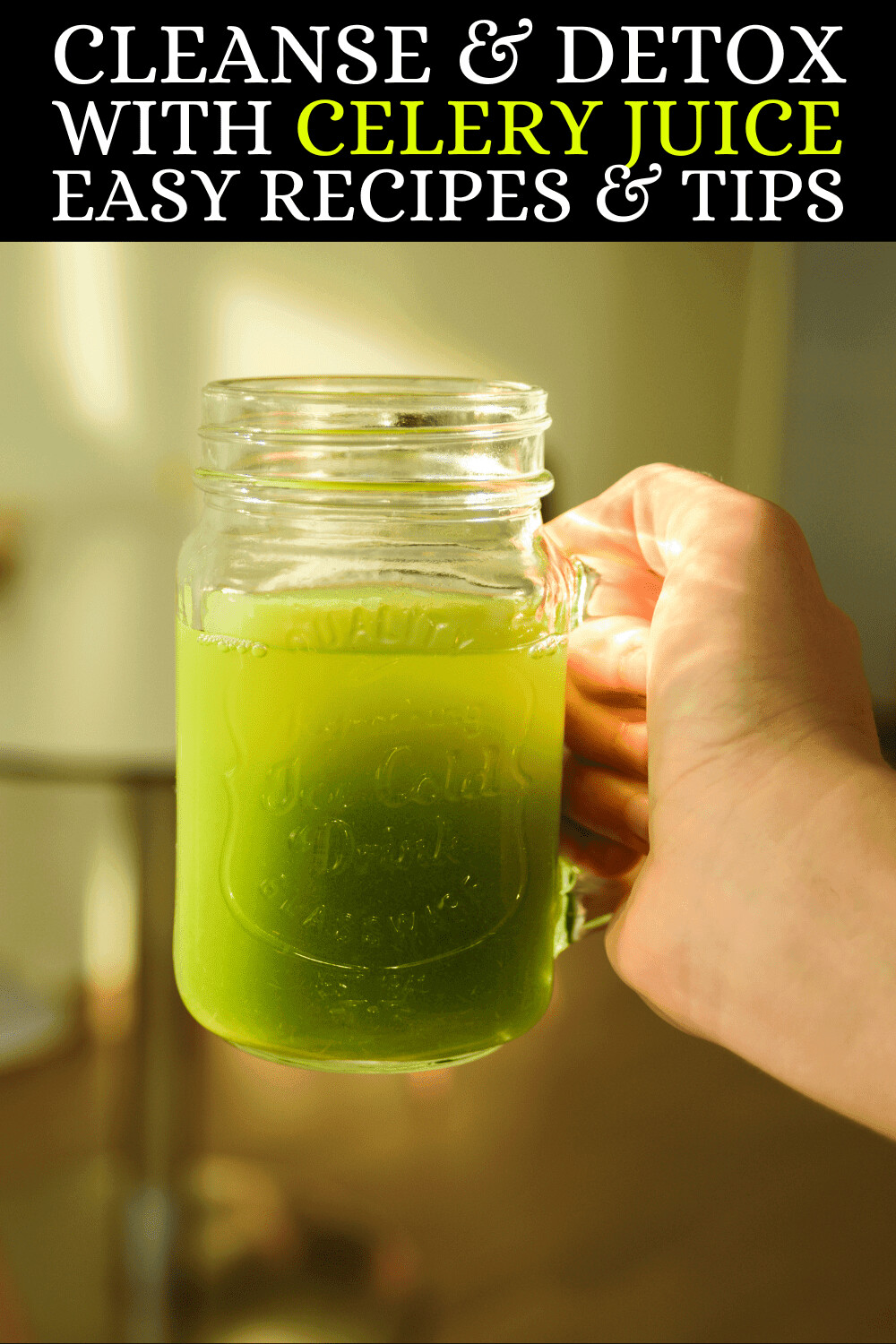
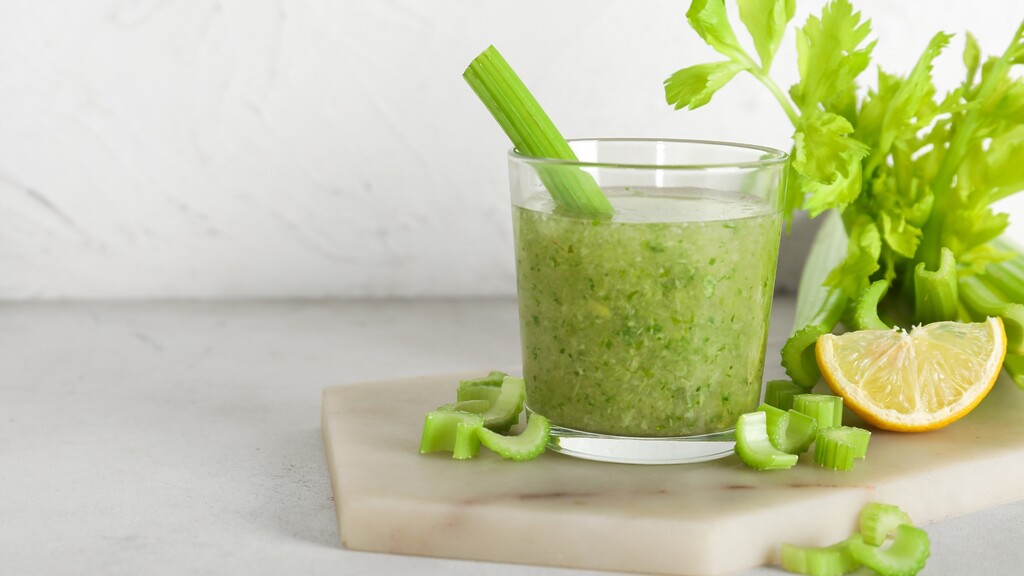
You do not need a specialized masticating juicer to start experiencing celery juice for beginners. A standard kitchen blender and a fine mesh strainer will do a very similar job. This straightforward celery juice recipe yields about 16 ounces, a common beginner serving rather than a medically required amount.
Wash thoroughly: Rinse one large bunch of celery under cold water. Trim off the very bottom of the base and the leafy tops. The leaves carry a strong bitter flavor that overpowers the drink.
Chop the stalks: Cut the celery into rough one-inch pieces.
Blend until smooth: Place the chopped pieces into your blender. Add about one-quarter cup of cold water just to help the blades catch. Blend on high until you have a thick, green puree.
Strain the liquid: Pour the puree through a nut milk bag or a fine mesh sieve positioned over a bowl. Squeeze the pulp tightly until every drop of liquid is out. You want pure juice with as little pulp left behind as possible.
Enjoy immediately: Pour into a glass and drink right away for the best flavor and freshness.
Building Your Celery Juice Morning Routine
The hardest part of any new habit is finding a place for it in your actual life. A celery juice morning routine works best when it anchors to something you already do.
My current rhythm is simple. I chop and blend a batch right before I take my dog Barnaby out for his morning walk. By the time we get back, I can strain it quickly, and the kitchen is quiet enough that I can actually sit down to drink it. Find your own anchor. Maybe it is while the coffee water is heating up, or right after you empty the dishwasher.
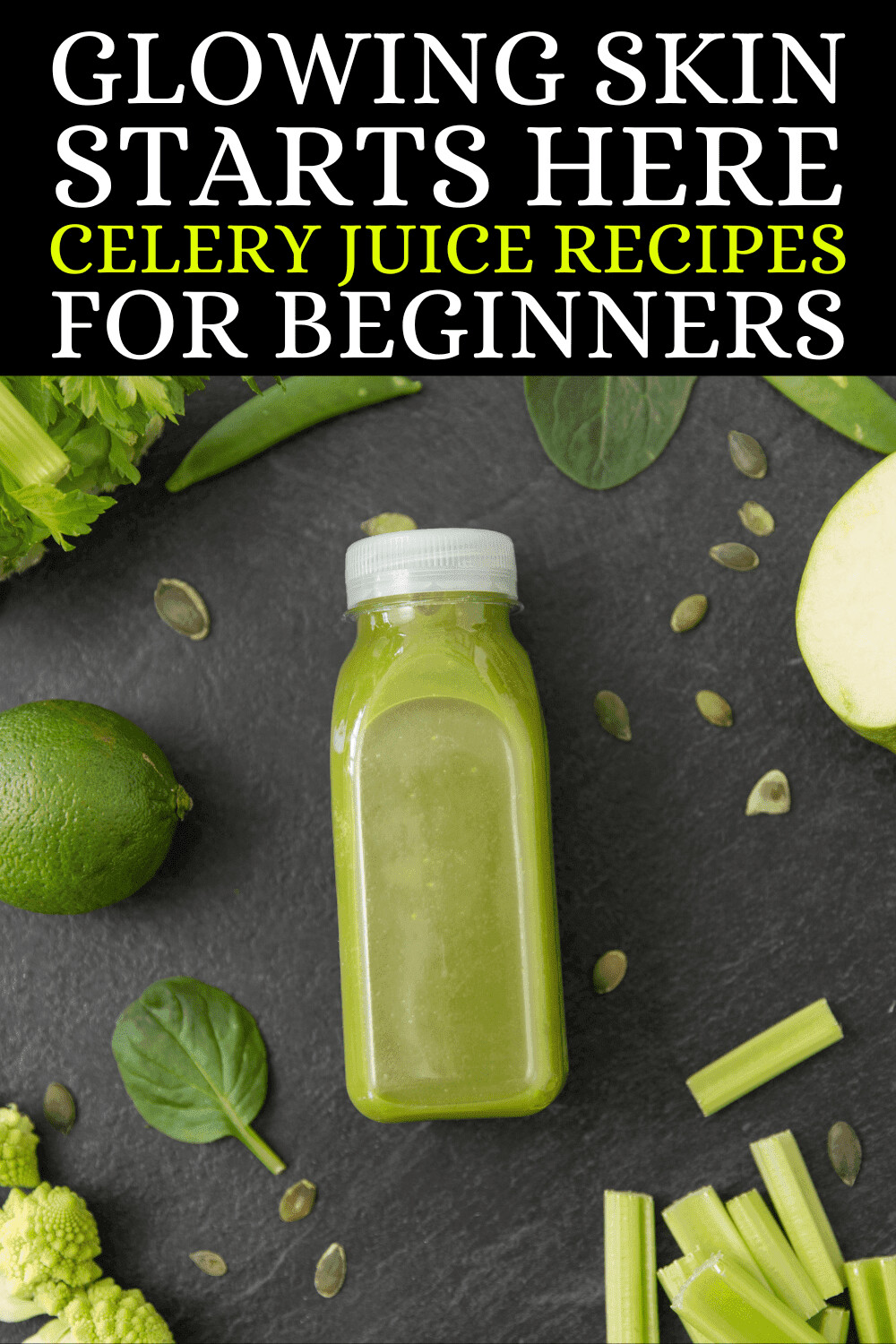
If the earthy flavor is completely overwhelming on your first try, add half a green apple or a squeeze of fresh lemon to the blender. The wellness purists insist on drinking it straight, but a modified habit you actually stick to is infinitely better than a perfect habit you quit on day two.
Common Beginner Questions
Do I really have to drink it on an empty stomach?
Drinking it first thing in the morning, about 15 to 30 minutes before consuming other food or coffee, is a ritual some people enjoy, but there is insufficient evidence that timing it this way makes the nutrients absorb better. If mornings are impossible, drinking it later in the afternoon still offers simple hydration benefits.
Can I make it the night before?
Fresh is always best for flavor and food safety. However, if morning prep keeps you from doing it at all, you can make it the night before. Store it in an airtight glass mason jar in the fridge for up to 24 hours. Fill the jar to the very top to limit oxygen exposure, and remember that fresh-squeezed juice can carry bacteria if the produce or juice has not been treated to destroy them.
You do not have to overhaul your entire life to feel a difference; sometimes, feeling better just starts with a single green glass at the quiet edge of the morning.



 This post may contain affiliate links.